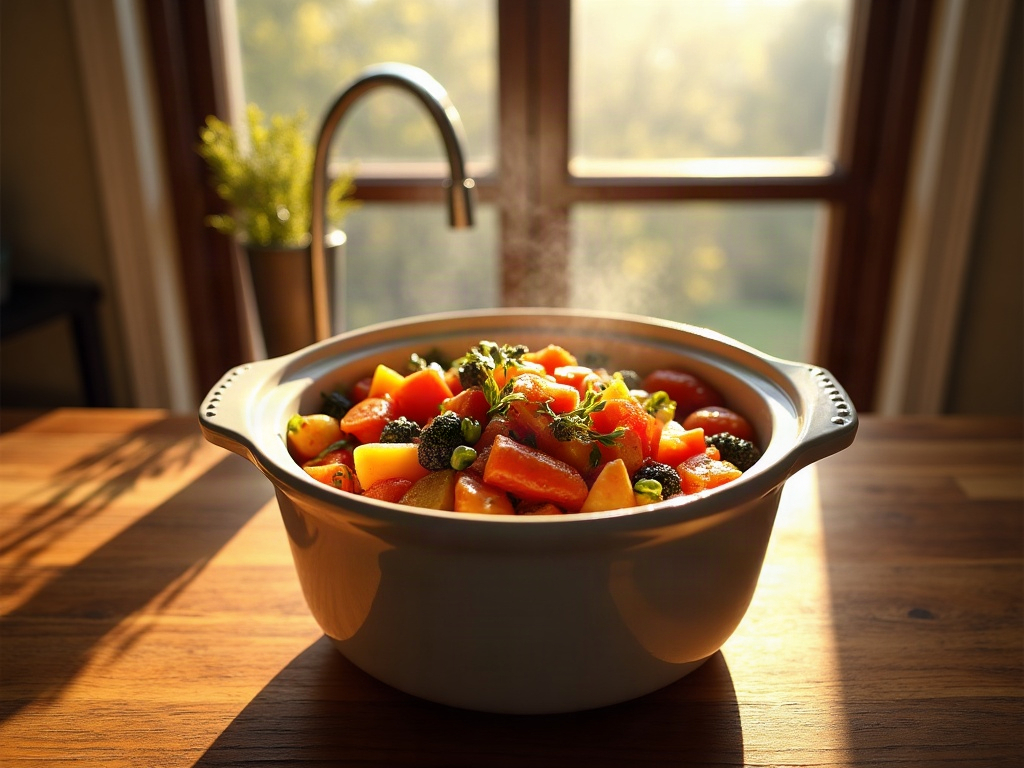
September hits and the slow cooker comes out of the cabinet. There is something almost ritualistic about it. Shorter days, football on in the background, a house that smells like something good has been cooking since noon. Fall slow cooker season is real, it is trending, and Boise families lean into it hard.
But if you have been loading up your crockpot with dried beans, hearty lentil soups, or long-simmered chicken broth and the results keep disappointing, the problem probably is not your recipe. It is your water. Discover how Boise's hard water is working against every slow cooker recipe you make this fall, and what a single fix can do for every pot you cook from now on.
Right now, feeds are full of fall slow cooker content. White bean chicken chili, butternut squash soup, beef and barley stew, spiced lentil dal. These are the dishes that define the season. They also happen to be exactly the recipes that hard water punishes the most. If yours have been falling short, keep reading.
What Makes Boise Water "Hard"?
Water hardness is measured in grains per gallon (gpg). Anything above 7 gpg is considered hard. Boise city water typically runs between 10 and 15 gpg. Meridian, where much of the Treasure Valley's growth has landed, measures even higher at 12 to 17 gpg. Eagle, Nampa, Kuna, and Star all pull from the same Snake River Plain aquifer system, which means similar mineral profiles throughout the region.
Those minerals are mostly calcium and magnesium. They are not dangerous to drink, but they are not passive inside your cookware. Over a long, slow cook, they become a real problem.
Idaho scientists are now studying new ways to store water underground using subsurface barriers and aquifer recharge systems, with research teams at Boise State and Idaho State working on innovative approaches to regional groundwater management. As Idaho researchers look at what goes into the ground, it is worth paying attention to what comes out of your tap.
The Bean Problem: Why Legumes Stay Hard
This is the most common slow cooker complaint in hard water areas, and the chemistry behind it is straightforward. Legumes, including dried beans, lentils, and chickpeas, have cell walls made of pectin. Pectin is what gives them structure. When you cook them in soft water, the pectin breaks down over time, the cells absorb liquid, and the beans become tender.
When you cook them in hard water, the calcium and magnesium ions bind to the pectin molecules before they can break down. The result is a cross-linked, reinforced cell wall that resists softening even after 8 or 10 hours in the crockpot. You pull the lid off your white bean chili and find beans that are still firm at the center. You blame the beans. You should blame the water.
This is not a matter of cooking longer or adjusting the heat. The chemistry does not change with more time. The ions need to not be there in the first place. Softened or filtered water removes that interference, and the same beans that stump you today become perfectly creamy with the same recipe and the same cook time.
The Broth Problem: Mineral Flavor Buildup
A slow cooker loses significant water volume over a 6 to 10 hour cook. The water evaporates, but the dissolved minerals stay behind. They concentrate. A pot of chicken broth that starts with Boise tap water at 12 gpg might finish with mineral concentrations two to three times higher than when you started.
The flavor result is a faint metallic or chalky bitterness that sits underneath everything else. It is the thing that makes you add more salt, more acid, more spices, and still feel like the broth is not quite right. It is not your seasoning skills. It is the minerals.
Clear, clean broth requires clean water to start. Bone broths, chicken stocks, and vegetable bases are especially sensitive because they have no competing bold flavors to mask the mineral edge. If your water is affecting your tea and specialty drinks, it is doing the same thing to your fall soups, and the slow cooker just gives it more time to do it.
Scale Inside the Crock: The Hidden Appliance Problem
Pull a slow cooker out after a summer in the cabinet and look at the inside of the ceramic crock. If you live in the Treasure Valley, there is a good chance you see a faint white ring or film along the waterline. That is mineral scale, and it builds up with every batch of cooking.
Scale is an insulator. As it accumulates on the ceramic surface and around the heating element, it reduces the efficiency of heat transfer. The slow cooker has to work harder to maintain temperature. Cook times get less predictable. For large cuts of meat where reaching a safe internal temperature matters, that unpredictability is not just annoying. It is a food safety issue.
Scale also pits the ceramic surface over time, creating micro-cracks that are harder to clean and can harbor bacteria. Your slow cooker has a longer, better life in a soft water home. The same is true for your dishwasher, coffee maker, and water heater.
The Simple Fix That Changes Everything
There are kitchen workarounds that people try. Adding a small amount of acid (a splash of vinegar or lemon juice) to bean recipes can partially counteract the calcium effect. Using filtered water from a pitcher helps some. But these are patches, not solutions. They add steps, they do not fully fix the broth mineral problem, and they do nothing for the scale building up in your appliances.
A whole-house water softener removes calcium and magnesium ions through ion exchange before the water reaches any faucet in your home. From the moment it is installed, every pot of beans, every slow cooker broth, every cup of coffee and pot of rice benefits automatically. No workarounds, no extra steps, no adjusting recipes around a water problem that was never the recipe's fault.
A reverse osmosis system at the kitchen sink is another strong option, especially for cooking and drinking water specifically. RO removes dissolved solids including hardness minerals at the point of use, delivering near-pure water to your largest cooking pot or your smallest espresso machine.
Find Out What's in Your Water
Our free water test takes 30 minutes and tells you exactly what hardness level you're cooking with. No pressure, no obligation.
What Changes When You Soften Your Water
Boise and Meridian homeowners who install water softeners consistently report the same cooking improvements. Beans and lentils soften in the expected time window without workarounds. Broths and soups taste cleaner, brighter, and more like the recipes they followed. The slow cooker stays cleaner and the ceramic crock looks better after washing. Pasta water does not leave a cloudy film. Rice comes out less sticky. Coffee tastes noticeably better without any change to the beans or the brewing method.
These are not dramatic, unexpected changes. They are what cooking is supposed to taste like when the water is not adding anything it should not. If you have been cooking with Treasure Valley hard water your whole life, the difference after softening can feel like upgrading to a much better kitchen.
Frequently Asked Questions
Why do my beans stay hard after hours in the slow cooker?
Calcium and magnesium ions in hard water bind to the pectin molecules in legume cell walls, creating a cross-linked barrier that prevents the beans from absorbing water and softening. Boise water runs between 10 and 17 grains per gallon of hardness, which is high enough to keep beans firm even after 8 or more hours of slow cooking. Soft water or filtered water lets legumes cook through properly in the expected time.
Does hard water really affect the flavor of slow cooker broth?
Yes. Calcium and magnesium concentrate as water evaporates during a long slow cook. The result is a metallic or chalky bitterness that no amount of seasoning fully covers. You may also notice a faint mineral film on the surface of soups and stews. Soft or filtered water produces cleaner, brighter broth flavor because the dissolved solids are dramatically lower.
What is Boise's water hardness level?
Boise city water typically measures between 10 and 15 grains per gallon (gpg), while Meridian water runs even higher at 12 to 17 gpg. Both figures fall into the "very hard" classification on the standard water hardness scale, which starts hard at 7 gpg. Nampa, Eagle, and most of the Treasure Valley see similar numbers because the water draws from the same Snake River Plain aquifer system.
Is the white scale inside my slow cooker harmful?
The scale itself is not toxic, but it causes real problems. Scale builds up on the ceramic crock and the heating element over time, reducing heat transfer and making the slow cooker run less efficiently. Thicker scale means longer cook times and uneven temperatures, which is a food safety concern for large cuts of meat. It also pits the ceramic surface over time, making the crock harder to clean and eventually causing micro-cracks.
What is the easiest fix for hard water in slow cooker recipes?
The most reliable fix is installing a whole-house water softener or a point-of-use reverse osmosis system for your kitchen. A softener removes the calcium and magnesium ions through ion exchange before the water ever reaches your tap, so every pot, slow cooker, and coffee maker benefits automatically. For a free assessment of your Boise or Treasure Valley home's water hardness, call Water Softener Boise at (208) 968-2771.