Published November 22, 2026 • 7 min read
The garage is where most Treasure Valley softeners live, and the garage is also the room that shares a wall with a bedroom. When winter comes and the door stays shut, a softener that sounded fine all fall can start to knock, rattle, or hiss through the house.
Here is how we quiet a garage softener in an Idaho winter, in the order we would try it, and how to tell when the noise is something more than an install detail.
Why a Garage Softener Sounds Louder in Winter
Most Treasure Valley softeners live in the garage, and the garage is a hard, echoing room. Concrete floors, drywall on the shared wall, and bare pipe all carry sound. In summer you rarely hear it. In winter the garage door stays shut, the house is sealed up, and a softener that regenerates in the night is suddenly a noise you can hear from the bedroom.
Cold adds a second effect. Plastic fittings and hoses stiffen as the garage drops toward freezing, rubber loses some of its give, and a drain hose that was quiet in September can start to rattle. The good news is that nearly every cause is a small, cheap fix.
The Winter Bridge: Cold Snaps and Snow on the Way
The season is turning fast. OpenSnow's Bogus Basin forecaster wrote on November 18 that a storm was moving in through Friday, that totals of 10 to 15 inches were possible up at the resort, and that opening Saturday would be cold, prime weather for snowmaking. Cold nights up at Bogus usually mean cold nights in Boise, Meridian, and Eagle too.
That matters for your garage. When temperatures drop, a softener that has been quiet all fall can start to knock, rattle, or hiss, and the first cold week is when most of our noise calls come in. Fixing it now beats listening to it all winter.
Start With the Sound: Bang, Rattle, or Hiss
Different sounds point to different causes, so listen before you touch anything. A bang when a cycle starts or stops is usually water hammer in the pipes. A rattle or buzz is usually the tank, hose, or a pipe touching a wall. A hiss or gurgle at the drain is usually the drain hose or the air gap. A steady hum from the control head is electrical.
If you want the full sound-by-sound breakdown, we cover hissing, humming, and gurgling in a separate guide, and why a water softener gets loud covers what is normal. This article focuses on quieting the unit once you know what you are hearing.
Fix 1: Stop the Tank From Touching the Wall
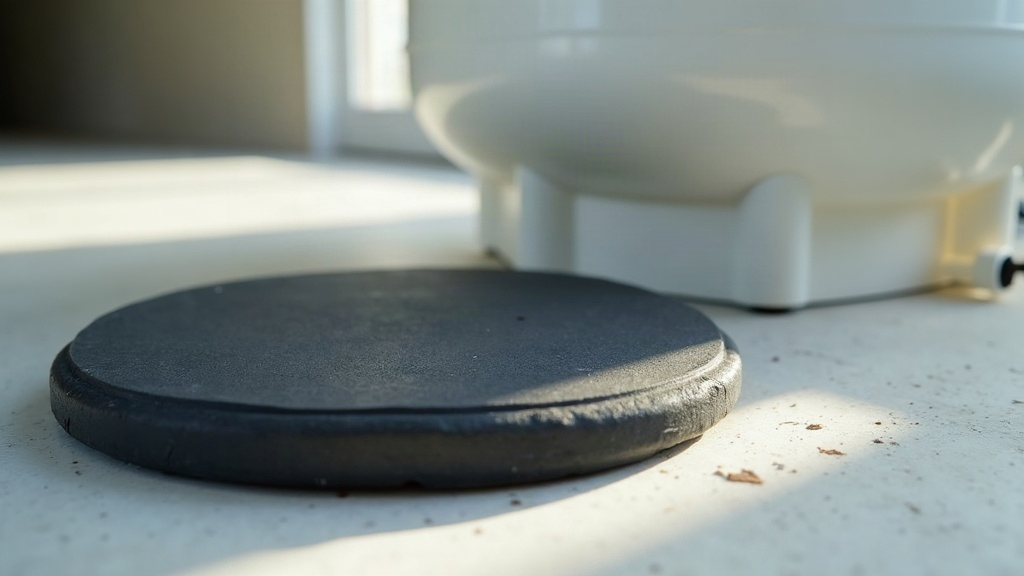
The brine tank and resin tank are plastic, and a tank that leans against a wall or sits against a stud acts like a speaker. Slide the unit forward an inch or two if the plumbing allows, or place a rubber pad or a dense foam mat under it so vibration does not pass into the floor.
Do the same where pipes meet the wall. A copper or PEX line that touches framing carries every pulse of water straight into the house. A foam wrap or a rubber-lined pipe strap breaks that contact. These items cost a few dollars at a hardware store and are often all it takes.
Fix 2: Secure the Drain Hose and Check the Air Gap
During regeneration, rinse water goes down the drain line fast. An unsecured hose whips and slaps. A hose pushed deep into a standpipe can gurgle or siphon. A kinked hose makes the whole cycle louder and slower.
The setup we look for is a hose that is clamped or strapped, runs without kinks, and ends above the standpipe or drain with an air gap. In an Idaho garage, also check that the hose is not frozen stiff or sagging with ice. If the drain line is running outdoors or along an exterior wall, it is the first thing to freeze.
Fix 3: Calm Water Hammer in Cold Weather
A sharp bang at the start or end of a cycle is water hammer. The valve closes, moving water slams to a stop, and the pipes jump. Cold pipes and rigid plumbing make it worse. Pipe straps every few feet near the softener help, and so does a small water hammer arrestor on the supply line.
Also check that your household water pressure is not running high. Many Treasure Valley homes sit around 60 to 80 psi. A pressure reducing valve set too high turns every valve closing into a knock.
Fix 4: Keep the Garage Warm Enough to Protect the Unit
Quiet and frozen are two different problems, but they overlap in winter. A softener that gets near freezing can crack its valve body or tank, and that damage is not a noise problem, it is a replacement. Insulating the shared wall, adding weatherstripping to the garage door, and wrapping exposed supply lines all help, and our full guide on protecting a softener from freezing in an Idaho garage walks through it.
Do not wrap the control head or block the unit's vents in a way that traps heat or moisture. The goal is a steady temperature above freezing, not a sealed box.
When Noise Means a Real Problem
Some sounds are not installation details. Grinding, a motor that runs without stopping, a continuous hiss that does not end after the cycle, or a unit that regenerates far more often than it should all point to a failing part, and your water may be turning hard again. Boise water typically runs 10 to 15 grains per gallon, so a unit that is working should keep spots and scale away.
Before you call, jot down when the sound happens, whether it is nightly or constant, and the brand on the control head. Our team handles water softener repair in Boise across the valley, and a correct setup on any Boise water softener job starts with a phone call and a straight answer. If the unit is badly worn, we will tell you plainly whether repair or replacement makes more sense. For background on how softeners work, the EPA WaterSense page on water softeners is a good neutral reference. Our article on softener noise at night covers the nighttime cycle specifically.
Frequently Asked Questions
Noisy Softener This Winter? Get a Free Phone Quote
Tell us the sound, the brand, and when it happens, and we will talk through the likely cause over the phone. No pressure, no pitch.