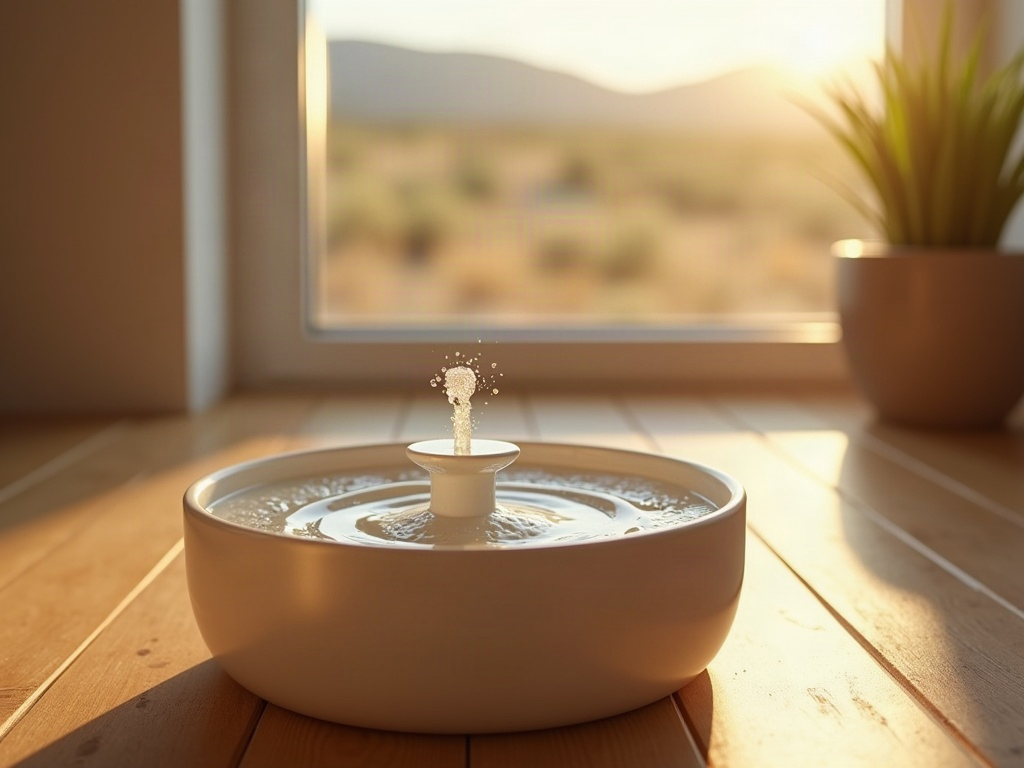
If you live in Boise, Meridian, or anywhere in the Treasure Valley, you already know that Idahoans take their dogs seriously. Idaho has the highest dog ownership rate in the entire country, with 58.3% of households sharing their home with at least one dog. Boise has been named the best dog park city three years running. Cats are not far behind, and multi-pet households are the norm here. In 2026, the product driving that devotion forward is the pet water fountain.
Pet water fountain sales are up 22% year over year, and Boise pet owners are buying them by the thousands on their vet's recommendation. The science is solid: cats and dogs drink 20-30% more water when the source is moving. That intake increase directly reduces kidney disease risk and urinary crystal formation. There is just one complication that rarely comes up in those vet conversations: the water coming out of your Boise tap.
Why Pet Vets Are Recommending Fountains Right Now
Feline kidney disease affects roughly 1 in 3 cats over the age of 12, and chronic dehydration is one of the primary drivers. Cats have a weak thirst drive; they simply do not drink enough from a standing bowl. A fountain's moving water triggers the instinct that it is fresh, which gets them to actually drink. Vets treating cats with early chronic kidney disease almost universally add a fountain to the care plan. For dogs, the benefit is better kidney function and lower UTI rates over time.
Here Is What Hard Water Does to Your Pet's Fountain
Treasure Valley tap water runs 10-17 grains per gallon (gpg), which translates to roughly 171-291 parts per million (ppm) of dissolved minerals. That puts us among the hardest municipal water supplies in the Mountain West. The minerals are predominantly calcium and magnesium, the same ones that leave white spots on your shower door.
Inside a pet fountain, those minerals go to work immediately. The pump impeller starts collecting calcium deposits within the first few weeks. Carbon filters become saturated with mineral scale faster than the manufacturer's schedule accounts for. Within 4-6 weeks of regular use with hard Boise water, flow rate drops noticeably. The white chalky crust forming on the bowl and pump housing is not just cosmetic. It is evidence that the mechanism keeping your pet's water clean and moving is slowly being choked.
Pet fountain manufacturers list hard water as the number one cause of premature pump failure. A fountain that should last three to five years can fail in under a year in a hard-water home.
The Health Risk: What a Slow Fountain Does to Your Pet
Here is the chain most pet owners never connect. Hard water clogs the fountain pump. Reduced flow means your cat or dog approaches a slow-trickling bowl and walks away. Daily water intake drops. In cats, that chronic dehydration concentrates the urine, raising the risk of crystal formation and kidney stones over time. In dogs, reduced intake allows bacteria to establish in the urinary tract, showing up as recurrent UTIs. If you bought a fountain because your vet said hydration matters, it is worth knowing it may be quietly failing within the first month or two.
What You Can Do Right Now (Fall Maintenance Checklist)
With first frost arriving in the Treasure Valley soon, pets are spending more time indoors and relying entirely on the indoor fountain. Here is a practical checklist for Boise-area pet owners:
- Deep clean the fountain every 3-4 weeks. Soak all components in citric acid solution (1 tablespoon per cup of water) for 30 minutes, then rinse. Citric acid dissolves calcium and magnesium without harsh chemicals.
- Replace carbon filters every 2-4 weeks. At Boise's 10-17 gpg, you are at the high end. Replace on the shorter schedule, roughly twice the manufacturer's standard recommendation.
- Watch for slow flow. If the fountain runs visibly slower than when new, the pump impeller has mineral buildup. Address it immediately rather than waiting for the next cleaning cycle.
The Long-Term Fix: Soft Water for Your Whole Home
A whole-home water softener removes calcium and magnesium before they reach a faucet or pet fountain. Mineral buildup drops to near zero. Pump impellers stay clean. Carbon filters last the full manufacturer cycle. A softener extends fountain pump life roughly three to five times compared to running hard tap water through the same unit. Softened water is safe for healthy pets; the sodium added by ion exchange is at levels veterinarians do not flag as a concern. If your pet has a heart or kidney condition, ask your vet about adding a reverse osmosis tap for drinking water.
We offer a free water test that tells you exactly how hard your home's water is. It takes 15 minutes and comes with no obligation. If a softener makes sense, we will show you the options and costs.
Frequently Asked Questions
Get a Free Water Test
Find out exactly how hard your Boise-area water is. It takes 15 minutes and there's no sales pressure.