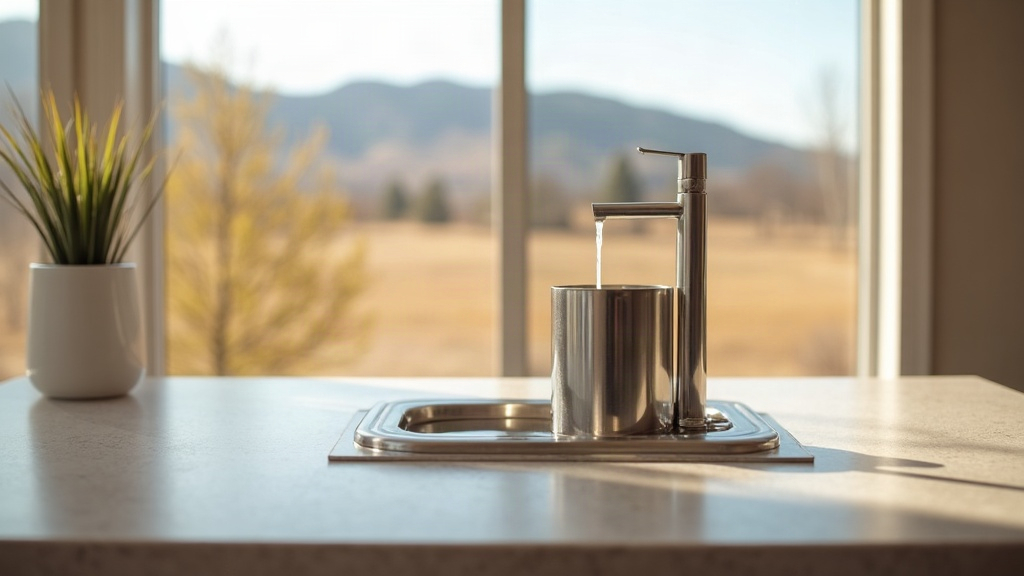
The Pet Fountain Revolution Hitting Treasure Valley
If you've spent any time on TikTok lately under #dogenrichment or #catenrichment, you've seen them: the gleaming stainless steel pet fountains, the ceramic waterfall bowls, the app-connected IoT dispensers that let you monitor your pet's hydration from your phone. Pet water fountains have gone from specialty item to must-have, and Treasure Valley pet owners are buying in.
There's real science behind the trend. A 2024 veterinary study found that cats drink approximately 24% more water when it flows continuously compared to sitting in a still bowl. For pet owners in Boise and Meridian where summer temperatures regularly push into the high 90s, that extra hydration isn't a nice-to-have. It can be the difference between a healthy pet and an emergency vet visit. Smart fountains in 2026 go even further: app connectivity, flow sensors, and consumption tracking. Pet owners are spending $60 to $120 on these devices, and honestly, it's a worthwhile investment. The problem is what comes out of the tap to fill them.
What Vets Actually Say About Pet Hydration
The appeal of moving water runs deeper than marketing. Evolutionarily, moving water signals freshness and safety to animals. Still water in the wild is more likely to be stagnant and contaminated, so cats and dogs are wired to prefer a running source. That instinct is why your cat ignores the full bowl but can't resist the bathroom faucet.
Dehydration is a real concern in Idaho's dry climate. General guidelines put daily water needs at roughly one ounce per pound of body weight for dogs, and about 3.5 to 4.5 ounces per kilogram for cats (much of which should ideally come from food, especially if you're feeding wet food). In Boise summers, those numbers climb. Chronic mild dehydration in cats is linked to urinary tract issues and kidney stress over time. A fountain that keeps water moving and fresh is a legitimate health tool, not just a gadget.
The Hidden Problem Inside Your Pet's Fancy Fountain
So you bought the fountain. Smart move. But here's the question no one asks at the pet store: what's actually in the water you're filling it with?
Pet water fountains use a small recirculating pump to keep water moving. That pump draws water through an impeller, a small spinning component that's doing continuous work every minute your fountain is running. Fountain filters are designed to catch hair, debris, and some taste compounds, but there is one thing they cannot address: dissolved minerals in the water itself.
Meridian's municipal water tests at 12 to 17 grains per gallon (gpg) hardness. Boise runs slightly lower at 10 to 15 gpg. Both are classified as very hard. What that means in practice is that your tap water carries a significant load of dissolved calcium and magnesium. When that water circulates through a fountain pump and slowly evaporates, those minerals don't evaporate with it. They precipitate out as white chalky scale and deposit directly on the pump impeller.
Scale on an impeller creates friction. Friction reduces flow. Reduced flow means the motor works harder to push the same amount of water. Pet fountain owners across the Treasure Valley report the same pattern: the pump starts running noisier, then slower, and needs to be replaced within a few months instead of the year or two the manufacturer advertises. At $15 to $25 per replacement pump, that adds up fast.
There's a second issue that's harder to diagnose: taste. Cats are notoriously taste-sensitive and can detect mineral concentrations that humans don't notice. If you've filled a quality fountain and your cat still won't drink from it, hard water mineral taste may be part of the reason. Chloramines added during municipal water treatment also contribute an off-taste that some animals (especially cats) find unappealing. You can read more about how Treasure Valley hard water affects everyday household appliances to understand what's happening at a chemistry level.
What Boise's Drought Situation Means for Pet Owners
In July 2026, Boise City Council passed a drought ordinance granting the mayor authority to regulate potable water use during declared drought emergencies. That ordinance has been back in the news this week. When the city is actively managing how much drinking water residents can use, it's a natural prompt to also think about water quality, not just quantity.
For pet owners running fountains 24 hours a day, this connection is direct. Softened water produces less scale, which means less fountain maintenance, longer pump life, and fewer replacement filter cycles. That is resource efficiency, not just convenience. You're getting more useful life out of every gallon that runs through the system. And because softened water doesn't carry the dissolved mineral load of raw Treasure Valley tap water, the fountain stays cleaner longer between deep-cleaning sessions.
Water quality in Idaho right now is a household conversation, not just a plumber's concern. If you're already thinking about how your family is using and managing water, it makes sense to look at what's actually in it too.
The Simple Fix for Treasure Valley Pet Owners
The good news is that the solution is straightforward. Softened water removes the calcium and magnesium that create scale in your fountain pump. You don't need to buy bottled water for your pets or run a separate filtered line to the fountain. A whole-home water softener treats the water at the point it enters your house, so everything downstream, including your pet fountain, runs on softened water.
Most pet fountain manufacturers actually recommend softened or filtered water in their care guides, precisely because they know hard water damages the pump. At 12 to 17 gpg, Meridian water is at the high end of what these pumps are tested to handle. Boise at 10 to 15 gpg isn't much more forgiving.
We serve pet owners throughout Boise, Meridian, Eagle, Nampa, and the wider Treasure Valley. A free water test is the right first step: it shows you exactly what's in your tap water before you make any decisions. No pressure, no sales pitch. Just data about what your pets, and your family, are drinking every day.
Find Out What's In Your Tap Water
We test your water for free. No pressure, no sales pitch. Just answers about what your family and your pets are drinking in Meridian, Boise, or anywhere in the Treasure Valley.