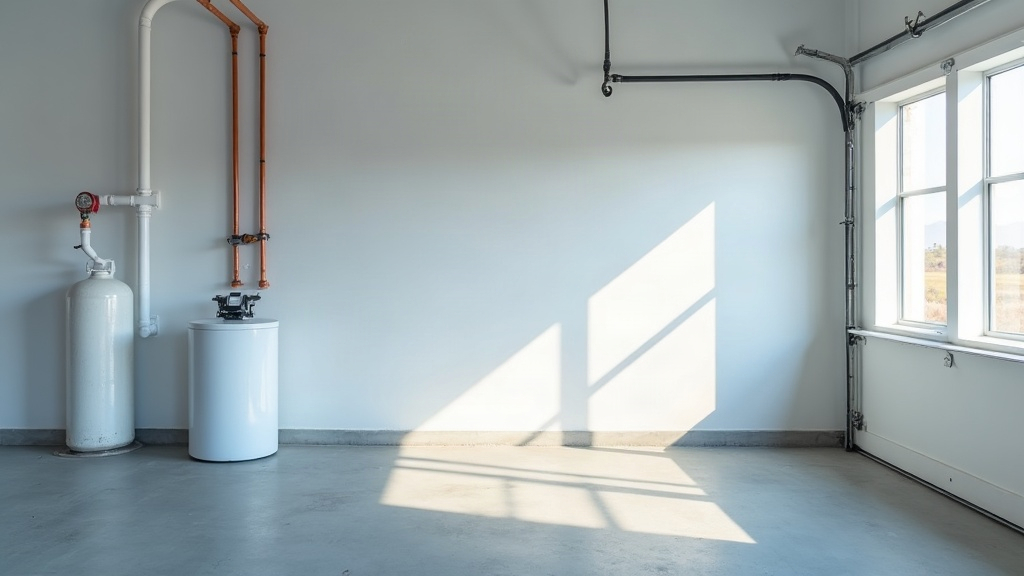
You might think a softener is just another appliance that goes on the moving truck. Sometimes it should. Often it should not, and the difference comes down to four numbers: the unit's age, the resin's condition, the new address's hardness, and what a move really costs.
Growth is putting that question in front of more Treasure Valley families. BoiseDev reported on October 7, 2026 that Meridian is considering building water and sewer infrastructure for part of a development in Canyon County southwest of Ustick and McDermott roads, an area already annexed into Nampa. Whatever happens with that project, the pattern is clear: more households are settling into new homes across the valley, and a new address can mean different water than the old one. Read the BoiseDev story for the full details.
We will walk through when moving your softener is worth it, when it is not, and what to check first.
Test the New Home Water Before You Decide
Start with the water, not the tank. Hardness is measured in grains per gallon (gpg), and it varies across the valley. Boise city water usually runs 10 to 15 gpg, while Meridian is often 12 to 17 gpg. If your old home sat at the low end and the new one sits at the high end, the softener you own may be undersized for its next house.
For scale, the USGS classifies water above roughly 180 milligrams per liter as very hard, and one gpg is about 17.1 milligrams per liter. That puts typical Treasure Valley water in the very hard range, so a softener is not optional in most new addresses. The question is only which one.
A free water test at the new address takes a few minutes and gives you the real number to size from. It also shows whether iron or other minerals are present, which matters because iron shortens resin life and changes what the system needs. Idaho water hardness in a new home can differ from the old home by several grains even across town, so test first and decide second.
Check the Age of the Unit and the Resin
This is the biggest factor. Most softener resin lasts 10 to 15 years. If your unit is 12 years old and you move it, you are paying to relocate a system that may need resin work soon after it is installed. The softener age and resin life question decides more moves than any other.
Look for the date on the control valve or the tank label. Signs the resin is tiring include water that feels hard even when the salt level drops normally, more frequent regeneration, and a unit that no longer holds soft water as long as it used to. If you see those signs, moving it is usually a poor use of money.
If the unit is under about 8 years old, in good shape, and the valve is a model parts are still sold for, moving it is a reasonable choice. Our guide to softener resin replacement in Idaho explains what that repair involves and what it costs, which helps you compare moving a tired unit against fixing or replacing it.
Match Capacity to the New Household and Hardness
Softeners are sized by grain capacity. A unit that handled a small household at 10 gpg can run out of capacity quickly in a bigger house or on harder water. When that happens it regenerates more often, uses more salt and water, and can let hard water through before the cycle finishes.
Do the comparison on paper. Count people in the new home, note the number of bathrooms, and use the hardness from your test. If the new numbers are higher than the old ones, ask a technician whether the existing tank can cover them. Sometimes a different valve setting is enough. Sometimes it is not, and a larger system is the honest answer.
Valve type matters too. Older timer-based valves regenerate on a fixed schedule whether you need it or not, which wastes salt in a smaller household. Newer demand-initiated valves regenerate based on actual use. If your valve is the older type, a move is a natural point to upgrade.
What Moving a Softener Involves
The job is simple in outline and easy to get wrong in the details. First, the unit goes into bypass so water flows around it. Then the technician drains the brine tank, disconnects the inlet, outlet, and drain lines, and removes the tank and brine system. The resin tank stays upright during transport, since tipping a loaded tank can disturb the resin bed.
At the new house, the unit needs a spot with a level floor, a nearby drain, a standard power outlet, and plumbing access on the main line. Fittings and bypass valves often need to be replaced, and the drain line has to meet code. In many Idaho homes the softener sits in a garage, so also plan for freezing weather in winter.
This is why we suggest having a plumber or water treatment technician do the reinstall. A bypass installed wrong or a drain line without an air gap can cause leaks or backflow into your system. A few hundred dollars for a correct install is cheaper than a flooded garage. After reinstalling, the unit also needs to be reprogrammed for the new hardness and run through a full regeneration cycle.
Move or Replace: What It Costs
Every figure here is an approximate range and will vary by job, so treat these as planning numbers and get written quotes. Having a plumber or technician disconnect, transport, and reinstall a standard softener often runs approximately $150 to $400, plus fittings. Resin replacement on an older unit can add several hundred dollars on top. A new softener, installed, commonly falls approximately between $1,000 and $3,500 depending on capacity and features.
Here is the rule of thumb we use. If the unit is young and healthy, moving costs a fraction of replacing and is worth doing. If the unit is 10 years or older, the move cost plus the resin work starts to approach the price of a new system that comes with a warranty, better efficiency, and capacity matched to your new water. For current pricing on new systems, see our Idaho water softener price guide.
Do not forget the move cost you cannot see. Hard water at 12 to 17 gpg leaves scale on fixtures and in your water heater the whole time your new house is unprotected. Even a short gap between closing and a working softener adds up, so plan the install for move-in week instead of weeks later.
Rental, Seller-Owned, and New Construction Cases
Three situations change the answer. If the old home had a rental softener, it belongs to the dealer and stays with the dealer, so ask about transferring service or ending it. If you are buying a home that has a seller-owned softener, check the contract, since fixtures and equipment may or may not convey. We cover that in detail in our guide on whether a water softener conveys with the house in Idaho.
The third case is new construction. New construction softener plans in Meridian and other fast-growing areas usually mean the builder plumbed for a unit but did not install one. That is a clean slate. You can bring your own if it passes the age and capacity checks, or choose a system sized for the actual water at that address.
One more point on new builds: new neighborhoods are often tied into different wells or city systems than older ones nearby, so do not assume the hardness matches the neighbor's old house. Test the tap in your own kitchen.
Quick Decision Guide: Move It or Replace It
Run through these in order. Two or more "replace" answers means a new unit is likely the better spend. The list is built from the factors above, so it works as a one minute check before you call anyone for a quote.
- Under 8 years old, valve in good shape: move it.
- 10 to 15 years old, or hard water getting through: replace it, or at minimum replace the resin first.
- New home is harder or the household is larger: have capacity checked before you move anything.
- Rental unit: it stays with the dealer, so ask about service at your new address.
- Seller-owned unit in a home you are buying: confirm in writing whether it stays.
If you land in the middle, with a unit around 8 to 10 years old and a new address that tests harder than the old one, the safest path is a short inspection. A technician can check the resin, the valve, and the capacity in one visit, and you decide with real information instead of a guess.
Frequently Asked Questions
Can I take my water softener with me when I sell my house? +
How much does it cost to move a water softener in Idaho? +
How long does the resin in a water softener last? +
Does my new house need a different size softener? +
Do new construction homes in Meridian come with a water softener? +
Not Sure If Your Softener Is Worth Moving?
We do free water tests across the Treasure Valley. Tell us the unit's age and bring the hardness number from your new address, and we will tell you plainly whether to move it, repair it, or replace it. No pressure, no upsell.