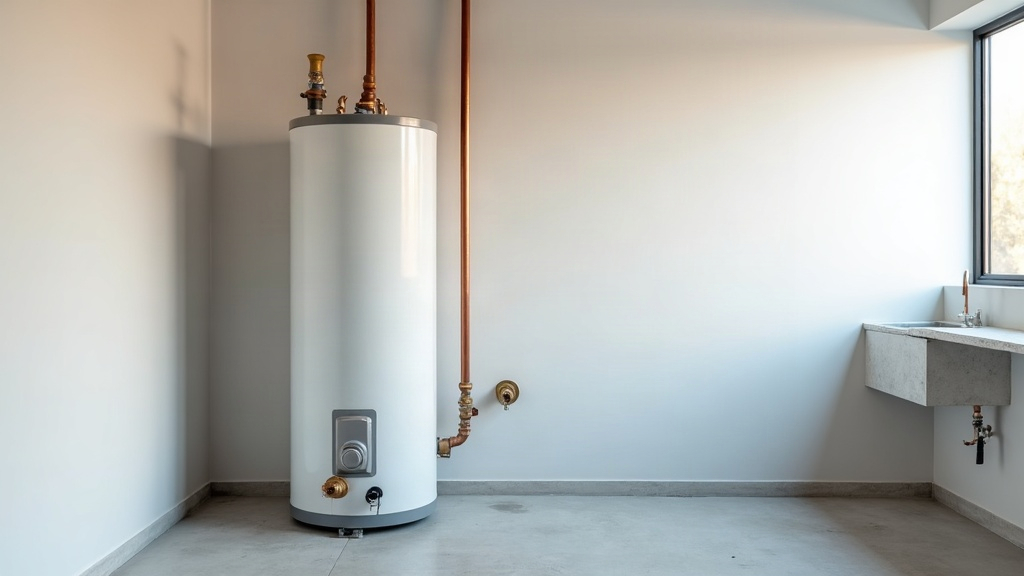
According to the U.S. Department of Energy, scale buildup from hard water can reduce a water heater's efficiency by up to 40 percent. In Boise and Meridian, where incoming tap water runs 12-17 grains per gallon (gpg), that scale can accumulate enough to cause real performance problems in as little as two to three years on an unprotected unit.
That number is worth sitting with. A 40 percent efficiency loss means your water heater is burning nearly double the energy to deliver the same hot shower. In a Treasure Valley home that heats water year-round, that translates to hundreds of extra dollars on your utility bill annually, plus a water heater that wears out years ahead of schedule.
Right now, in September 2026, is the right time to address this. Boise is currently under a Stage 2 Summer Conservation restriction, with the Boise River Flow Trigger active through December 31, 2026. When river flows drop, Suez Water Idaho draws more heavily from groundwater wells, which test 15-20 gpg across the Treasure Valley. That means the water flowing into your home has been especially mineral-laden all summer. A pre-winter flush clears out the season's accumulated scale before your heater picks up the extra load of cold incoming groundwater.
East Idaho News reported just two days ago that Idaho's reservoirs have hit historic lows, with the winter outlook raising further water worries. A second consecutive low-snowpack winter would extend the elevated-mineral groundwater draw pattern through spring 2027. There is no better moment to protect your water heater than right now, heading into what may be another hard season on Idaho's water supply.
What Scale Buildup Actually Does to Your Water Heater
Scale is not just a nuisance coating. It is hardened calcium and magnesium carbonate, and once it forms on the interior surfaces of your water heater, it does not dissolve on its own. The minerals in your water precipitate out of solution when water heats up, and they settle wherever they can: on the tank floor, on the heating element, on the walls of the tank itself.
On a gas water heater, scale on the tank floor acts as an insulating layer between the burner and the water. The burner has to run longer and hotter to push heat through that mineral barrier. Over time, the tank floor can overheat, leading to premature corrosion and early tank failure.
On an electric water heater, the situation is more direct. Scale encases the lower heating element. When the element cannot shed heat into the surrounding water efficiently, it overheats and burns out. Replacing a lower heating element in an electric water heater is a straightforward repair, but it is completely avoidable with regular flushing.
Both tank types also suffer from the sediment layer that settles at the bottom over time. This sediment pops and rumbles as the heater fires, a sound many Boise and Meridian homeowners chalk up to "the house settling" when it is actually their water heater telling them it needs attention. That sound is steam bubbles forming under a layer of hardened scale as the burner fires.
Why Boise and Meridian Hard Water Accelerates the Problem
The Treasure Valley sits above a deep aquifer system fed by Snake River Plain geology. That groundwater is naturally mineral-rich. Water hardness across the region typically tests at 10-15 gpg in Boise and 12-17 gpg in Meridian, Nampa, and Caldwell. For context, water above 10.5 gpg is classified as "very hard" by the Water Quality Association. Most of the Treasure Valley has been in that category year-round for decades.
The practical effect on water heaters is that scale accumulates faster here than in cities with softer municipal water. A homeowner in Seattle with 3-4 gpg water might go five or six years between meaningful scale buildups. A homeowner in Meridian with 14 gpg water is dealing with four to five times the mineral load in every gallon that heats up. Annual flushing is not optional in this region; it is basic maintenance.
This year carries an additional wrinkle. The Stage 2 conservation measures in effect through December 2026 have shifted more of Boise's water supply toward groundwater wells, which run even harder than the blended surface-and-groundwater supply Suez typically delivers. If your water tasted different this summer, that is likely why, and it means your water heater has been working against a heavier mineral load than usual.
How to Flush Your Water Heater Before Winter
A standard tank flush takes about 30-45 minutes and requires only a garden hose, a pair of gloves, and a willingness to get a little wet. Here is the step-by-step process used by water treatment professionals in the Treasure Valley:
- Turn off the heat source. Set your gas water heater to "Pilot" mode or switch off the circuit breaker for an electric unit. Give the water an hour to cool so you are not working with scalding water.
- Connect a garden hose to the drain valve. The valve is typically near the base of the tank. Run the hose to a floor drain, a utility sink, or outside. Avoid draining onto plants; the water will be hot and mineral-heavy.
- Open a hot water faucet somewhere in the house. This allows air into the system and helps the tank drain faster.
- Open the drain valve. Let the tank drain completely. If the water runs heavily cloudy or orange, that is sediment and mineral buildup coming out. Keep draining until it runs mostly clear.
- Flush with cold water. With the drain valve still open, turn the cold water supply back on briefly to stir up any remaining sediment at the bottom of the tank and flush it out.
- Close the drain valve, refill, and restart. Close everything up, let the tank refill fully before restoring power or relighting the pilot, and check for leaks around the drain valve.
One note: if the drain valve has never been opened, it may be corroded or stiff. Do not force it. A corroded drain valve that breaks off mid-flush is a real plumbing emergency. If yours has not been touched in several years, or if you see significant corrosion, it is worth calling a water treatment or plumbing professional before attempting the flush yourself.
Signs Your Water Heater Is Already Suffering from Scale Damage
If you have not flushed your water heater in the past year or two, and you live in Boise, Meridian, Eagle, Nampa, or anywhere else in the Treasure Valley, scale damage is likely already in progress. Here are the signs to look for:
- Rumbling or popping sounds when the heater fires. This is steam forming under sediment layers.
- Longer recovery times. If your hot water runs out faster than it used to, scale on the heating element or tank floor is reducing efficiency.
- Higher utility bills with no obvious explanation. A scaled water heater running at reduced efficiency can add $10-25 per month to a typical household energy bill.
- Inconsistent water temperature. If your shower fluctuates between hot and lukewarm unexpectedly, the heating element may be partially scaled over or near failure.
- Visible rust or discoloration in your hot water. This can indicate that the tank itself is corroding from the inside, which is often accelerated by scale-induced temperature cycling.
- Water heater age over 8 years without any flushing. In a high-hardness area like Meridian or Nampa, a water heater that has never been flushed may be near the end of its serviceable life.
If you recognize two or more of these in your home, a flush alone may not be enough. A professional water quality assessment can tell you whether scale damage has progressed to the point where a softener installation would save the unit, or whether water heater replacement costs in Idaho are the next conversation to have.
Water Softeners and Water Heater Maintenance: How They Work Together
A water softener removes calcium and magnesium ions before they enter your home's plumbing. That means softened water carries dramatically less scale-forming mineral load when it enters your water heater. The practical benefit: scale accumulation slows to a fraction of what it would be on untreated Treasure Valley water.
Homes with a properly sized and functioning water softener can typically extend flushing intervals from every 6-12 months to every 18-24 months. The difference in water heater lifespan is significant. A water heater in a softened-water home in Meridian can realistically last 15-18 years with proper maintenance. The same unit on untreated 15 gpg water may fail at 8-10 years.
That is not a small number when a tank water heater replacement runs $1,200 to $2,800 installed in Idaho. Protecting your existing unit with softened water and regular flushing is almost always the lower-cost path. Check our full winter prep guide for your water system for a complete checklist that covers both your softener and your water heater heading into the cold months.
If you do not yet have a softener, now is the time to consider one. Softeners we install for Treasure Valley homeowners typically pay for themselves within three to five years in extended appliance life, reduced water heating costs, and eliminated plumbing repairs. The free water test we offer is a good starting point: we test your incoming water hardness, show you exactly what your appliances are dealing with, and walk you through options without pressure.
Water Heater Flush Frequency in Hard Water Zones: Idaho Guidelines
There is no universal standard for water heater flush frequency, but general guidance from the U.S. Department of Energy's Water Heater Maintenance guidelines recommends flushing at least once per year. In high-hardness zones, that floor should be treated as a ceiling: once a year is the minimum, not the ideal.
Our recommendations for Treasure Valley homes, based on the local water data we see every week:
- No water softener, Boise or Garden City (10-13 gpg): Flush every 6-9 months.
- No water softener, Meridian, Nampa, Caldwell, or Star (13-17 gpg): Flush every 6 months.
- With water softener, any Treasure Valley location: Flush every 12-18 months.
- Well water, Kuna, Middleton, or rural areas: Test your water hardness first. Well water in these areas can exceed 20 gpg. Flush every 4-6 months until you know your specific numbers.
The Idaho Department of Environmental Quality's drinking water resources provide water quality data for municipal supplies across the state, which can help you understand where your supply sits in the hardness range. Municipal supplies do vary by neighborhood and season, especially during drought conditions when groundwater draw increases.
What the Pre-Winter Flush Looks Like for the Treasure Valley Right Now
September and October are the practical window for a pre-winter water heater flush in Boise and the surrounding communities. Here is why the timing matters specifically this year.
First, the groundwater mineral concentration issue: with Stage 2 restrictions keeping Suez on heavier groundwater draw through the end of December, your incoming water has been running harder than normal all summer. That mineral load has been depositing in your water heater since April. A flush now removes a full season of accelerated buildup before winter demands kick in.
Second, winter demand on your water heater increases significantly. Groundwater temperatures in Idaho drop noticeably in winter months, which means your water heater has to work harder to raise incoming water from a colder baseline. A clean, efficient tank handles that load; a scale-coated one struggles. You will feel it in lukewarm showers and hear it in extended burner run times.
Third, if the winter outlook holds and Idaho faces another low-snowpack season, as reported this week by East Idaho News, groundwater mineral concentrations will remain elevated through spring 2027. Getting ahead of that now, with a flush and possibly a softener consultation, positions your home's water system to handle an extended difficult stretch without major appliance failures.
Get a Free Water Test Before Winter
Find out exactly how hard your water is and what it is doing to your water heater. The Water Softener Boise team serves Boise, Meridian, Eagle, Nampa, Caldwell, Kuna, Star, and the surrounding Treasure Valley. No pressure, no obligation.