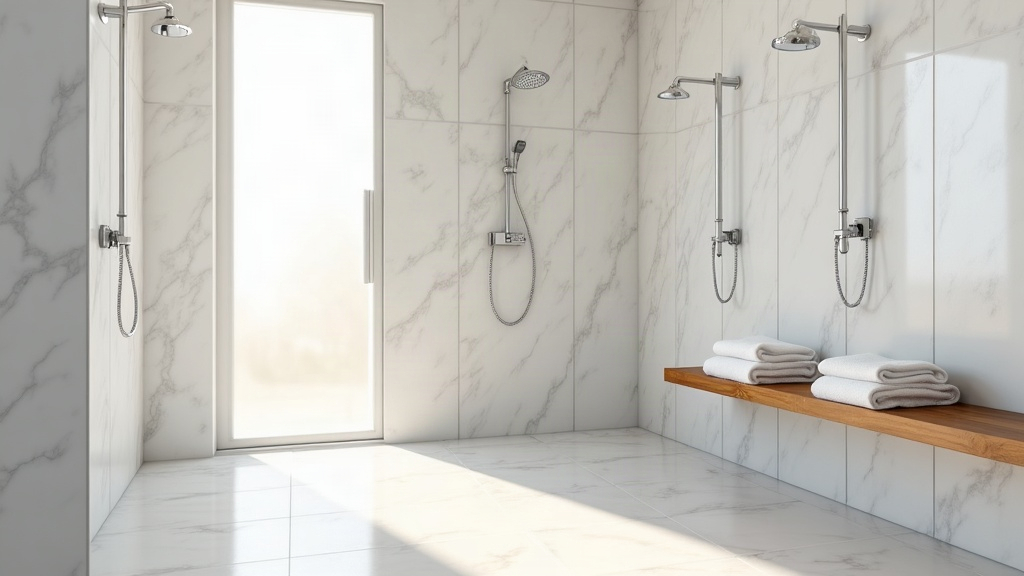
That one-star Google review about the showers. The front desk complaint about dry skin after class. The towels that never smell fresh even after washing. If you run a gym in Boise or Meridian and any of those sound familiar, here is what almost no one in the fitness industry tells you: the problem is not your detergent or your cleaning crew. It is your water. Treasure Valley tap water runs 10 to 17 grains per gallon, a hardness level that silently drives up your maintenance bills, wrecks your laundry operation, and leaves members feeling like the water never quite rinsed off. The fix is a commercial water softener, and this article shows you exactly why.
What 10 to 17 GPG Actually Means for a Commercial Gym
According to the USGS, water above 10.5 gpg is classified as very hard. Boise city water measures 10 to 15 gpg at the fixture; Meridian runs 12 to 17 gpg. The Treasure Valley average is nearly double the national average of 7 gpg.
For a household, that is a nuisance. For a commercial gym, volume multiplies every effect. A facility with 300 active members may run 100 or more showers per day, cycle through three to five commercial washing machine loads every morning, and run water heaters continuously to keep locker rooms comfortable. Each gallon moving through those systems deposits its mineral load on every surface it touches. That accumulation is scale, and scale is where the operating costs show up.
Why Treasure Valley Groundwater Matters More Than It Used To
The Idaho Department of Water Resources is currently measuring 600 wells across the region to track how rapid growth is straining groundwater, and state water managers are warning of a historic drought expected to deepen through fall 2026. For a gym running 50 to 200 showers daily and multiple commercial washing machines all week, the mineral load in that groundwater is a direct operating cost. Facilities on private wells in Meridian or Eagle face additional exposure: as aquifer levels shift with drought and development, mineral concentrations in well-sourced water can change year to year, making annual testing a practical habit.
The Shower Problem: What Your Members Are Actually Experiencing
Here is the chemistry behind the complaint. When hard water's dissolved calcium and magnesium mix with soap, they bind with the surfactants before soap can do its job. The result is calcium soap scum: a sticky film that deposits on shower walls and on your members' skin simultaneously. That film is what members describe when they say the shower felt slimy or that they still felt grimy after rinsing off. It is a physical residue, not a perception issue.
Hair and skin feel the same effect. Mineral buildup creates a waxy coating on hair shafts, and hard water residue strips the skin's natural moisture barrier, which is why members with eczema often report flare-ups after gym showers. None of these members will write a review citing "14 gpg water." They will write that the showers are gross or that they always feel dry afterward. The water hardness is the root cause; the facility takes the reputational hit. Soft water reverses all of it: soap lathers completely, rinses cleanly, and members leave feeling refreshed.
Laundry: The Operational Cost You Can Measure in Dollars
Hard water makes an already-expensive laundry operation worse in three ways. Scale on washing machine heating elements adds 8 to 10 percent energy cost per millimeter of buildup; a 3mm layer drives a 24 to 30 percent increase in electricity cost per machine. Calcium and magnesium also compete with detergent surfactants, forcing facilities to use up to twice as much product per load. And towels laundered in hard water feel stiffer, trap odors faster, and wear out sooner as minerals degrade fabric fibers.
Combined, hard water adds an estimated $1,500 to $4,000 per year in excess detergent, energy waste, and accelerated equipment wear, not counting early appliance replacement. The same pattern applies to any commercial equipment with heating elements in your facility.
Equipment Scale: Water Heaters, Ice Machines, and Steam Rooms
Washing machines are not the only equipment at risk. Every piece of commercial equipment that heats water accumulates scale if you are not treating your supply. Commercial water heaters are the most significant asset: scale reduces thermal efficiency by approximately 24 percent, raising operating costs 20 to 30 percent just to deliver the same hot water output. A commercial gym water heater costs $3,000 to $10,000 and should last 10 to 12 years. In hard water conditions, service life drops to 6 to 8 years.
Ice machines develop calcium deposits on evaporator plates, reducing yield and pushing monthly descaling service calls where quarterly was the norm. Steam generators face the heaviest scale impact of any gym equipment: they continuously concentrate minerals as water turns to vapor, making descaling a recurring and expensive maintenance line. Across all plumbing fixtures, the white calcium film on showerheads and handles that returns within days of cleaning is a symptom of the same problem. Staff cannot scrub it away permanently because untreated water brings the minerals back with every drop.
How Hard Water Shows Up in Member Reviews
Google reviews of gyms in hard water markets follow a pattern once you know what to look for. The complaints cluster around a few recurring themes: showers feel unclean, skin feels dry or weird after showering, towels smell even when they look fresh, fixtures appear grimy regardless of cleaning frequency. None of these reviewers use the words "hard water" or "mineral scale." They do not know water chemistry is the variable. They know how they felt after using your facility.
A gym rated 3.8 stars and a gym rated 4.4 stars in the same market often differ primarily on shower and locker room experience. In a competitive fitness market like Boise and Meridian, where multiple gym options exist within a few miles of each other, the quality of that post-workout shower is part of the value proposition. Soft water functions as an invisible amenity: members leave reviews saying the facility is clean, the showers are great, and they always feel refreshed, without knowing water treatment is the reason.
One operational signal: if your front desk staff are fielding shower complaints more than two or three times per month, hard water is the likely root cause. The investigation almost never starts with a water test, but that is where it should start.
Treasure Valley Gyms: Boise, Meridian, Eagle, and Nampa Water Profiles
Not every city in the Treasure Valley pulls from the same source. Boise city water measures 10 to 15 gpg at the fixture, blending surface and groundwater. Meridian runs higher at 12 to 17 gpg; rapid growth has stressed both municipal supply and private wells in newer commercial zones. Eagle and Star fall in a similar range with well-to-well variation, and facilities on private wells should test annually as individual well hardness shifts with depth and local geology. Nampa and Caldwell typically run 10 to 14 gpg.
All Treasure Valley cities fall in the very hard to extremely hard classification. There is no soft water zone in the region. If you operate a gym anywhere in the Treasure Valley, your water hardness is high enough to cause the operational effects described in this article. Our free water assessment includes an exact hardness measurement at your supply line, not a zip code estimate, plus a system recommendation sized to your facility's actual daily demand.
Commercial Water Softener Solutions for Treasure Valley Gyms
A commercial water softener uses ion exchange to remove calcium and magnesium before water reaches any fixture or appliance. The right installation point for most gyms is a whole-facility system at the main supply line. Point-of-use shower filters only address the showerhead and leave water heaters, washing machines, and steam generators unprotected.
Sizing matters: our team uses actual daily water use and measured hardness, not square footage estimates. A mid-size Boise or Meridian fitness center typically runs $3,000 to $8,000 installed. Avoided laundry energy costs, reduced detergent use, and extended equipment life typically recover that investment in 12 to 24 months. The system then delivers savings for 15 to 20 years. Ongoing upkeep is straightforward: scheduled salt replenishment and an annual service visit.
Get a Free Commercial Water Assessment
We test water at your facility, calculate your scale cost exposure, and recommend the right system for your volume. No pressure, no obligation.
Frequently Asked Questions: Hard Water and Gyms in Boise
Yes. Scale buildup from Boise's 10-15 gpg water coats heating elements in commercial water heaters and washing machines, reducing efficiency by 24% or more and shortening equipment lifespan from 10-12 years down to 6-8 years. Ice machines and steam generators are especially vulnerable, often requiring monthly descaling in hard water facilities.
Boise tap water carries 10-15 grains per gallon of dissolved calcium and magnesium. When those minerals mix with soap, they form a calcium soap scum that coats skin rather than rinsing away. Members notice a filmy or sticky post-shower feeling and often mistake it for a cleaning issue. It is a water chemistry issue. A commercial water softener removes the minerals before they reach the showerhead, so soap lathers fully and rinses completely.
For a mid-size fitness center in Boise or Meridian, a commercial water softener typically runs $3,000 to $8,000 installed, depending on facility size and peak water demand. Most gyms recover that investment in 12 to 24 months through lower energy bills, reduced detergent use, and avoided equipment repairs. Our team provides a free water assessment and custom quote, no obligation.
It can. Members experience hard water effects on skin and hair but rarely identify water as the cause. Instead, they leave reviews mentioning dirty showers, a weird smell on clean towels, or dry skin after every visit. Those complaints show up in 1- to 3-star reviews. Treating your water removes the root cause.
Meridian water hardness runs 12 to 17 grains per gallon, depending on municipal or well supply. That is well above the national average of 7 gpg and at the high end of the "very hard" classification. Boise city facilities typically measure 10 to 15 gpg.
A whole-facility system at the main water line is the better investment. Point-of-use shower filters address shower quality but leave washing machines, water heaters, and steam generators unprotected. A main-line system treats all water at once, protecting every fixture and appliance for a single operating cost.