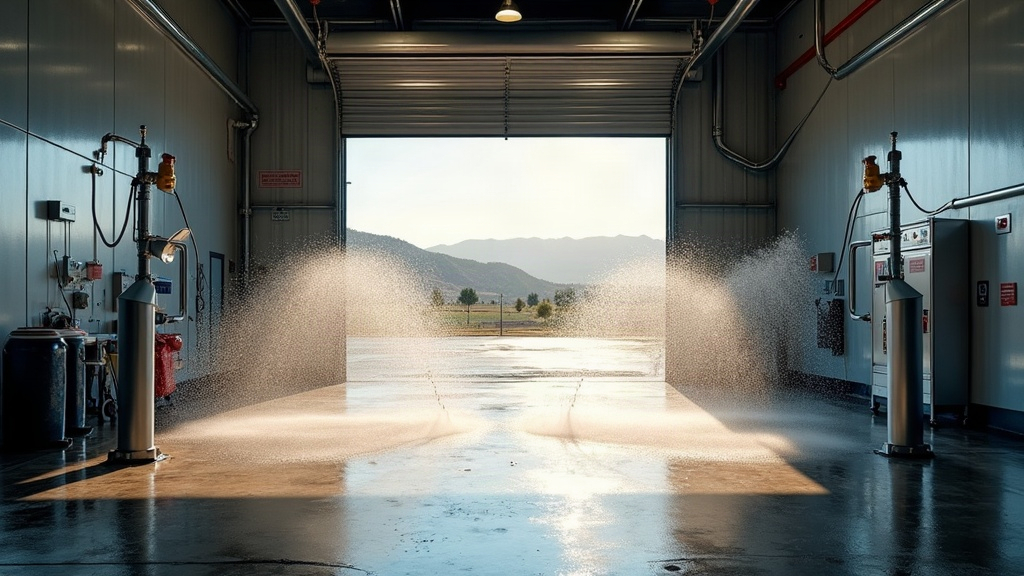
Meridian's tap water carries up to 17 grains of hardness per gallon. That number does not come from a scare headline. It comes from municipal water quality reports and verified hardness tests across the Treasure Valley. Water hardness above 10 GPG is classified as "very hard" by the U.S. Geological Survey. Most of the valley sits at or above that threshold every single day, and every car washed without softened water wears that mineral load on its paint, glass, and trim.
At the Water Softener Boise team, we hear this from car wash operators and detail shop owners across Boise, Meridian, Eagle, Nampa, and Caldwell constantly. The water is doing what valley water does, and untreated, it costs more than most operators realize.
Caldwell Just Confirmed What Car Wash Operators Already Know
Caldwell officials told KIVI-TV this week that water infrastructure, not water supply, is the growing challenge facing the city. The valley is not running out of water. It is running out of infrastructure capacity to keep up with 10,000 to 11,000 residential units already in Caldwell's approval pipeline.
What that means practically: aging pipes under pressure from accelerated development create conditions where dissolved mineral concentrations can increase at end-use points. Car washes draw from the same municipal systems straining under that growth. When pressure zones lag and the water sits longer in older distribution lines before reaching your bays, the mineral chemistry does not get better.
Car wash operators are the canary in that infrastructure coal mine. They use high volumes of water under high pressure, cycle through it fast, and see the residue on every vehicle they touch. If Caldwell's infrastructure challenges signal the broader valley trend, operators across the region should be paying attention now.
How Hard Is Treasure Valley Water, Exactly?
Here is where the valley actually lands by city, based on available municipal water quality data:
- Boise: approximately 8-10 GPG, classified as hard
- Meridian: 12-17 GPG in many service areas, firmly very hard
- Eagle, Nampa, Caldwell: typically 8-15 GPG depending on the source water blend and season
The primary minerals driving those numbers are calcium and magnesium, picked up as groundwater moves through the region's limestone and volcanic-ash geology. Each gallon of Treasure Valley water carries roughly 200 milligrams or more of dissolved minerals at peak hardness.
For reference, Illinois averages 8-14 GPG and is often cited as one of the harder-water states in the country. Treasure Valley water matches or exceeds that average in most service zones. According to EPA secondary drinking water standards, hardness is not a health risk, but it is a significant operational and aesthetic problem for anyone using water in volume.
What Hard Water Actually Does to a Vehicle
Not all water spots are the same. Understanding the three types explains why some wash right off and others require professional paint correction.
- Type 1 (surface deposit): mineral film sitting on top of the clear coat. Visible as white haze or spots. Wipes off with a detailer spray and microfiber if caught quickly.
- Type 2 (bonded mineral): calcium and magnesium that have begun bonding to the paint surface. Requires dedicated mineral remover or clay bar treatment to remove cleanly.
- Type 3 (paint etching): minerals have physically etched into the clear coat, often accelerated by heat. Cannot be washed or wiped away. Requires wet sanding and paint correction, which typically runs $150 to $500 or more depending on the vehicle and damage extent.
Visible spotting begins at around 3-4 GPG. The etching risk rises sharply above 7 GPG. At 12-17 GPG in Meridian, the gap between a quick rinse and etched paint is much shorter than most vehicle owners realize, especially in summer. Idaho's dry climate and intense sun evaporate water faster than in more humid states, accelerating mineral concentration on the surface.
Detail Shop Reality Check
Glass fogging from mineral film is one of the most common complaints in Treasure Valley detailing reviews. It is not a dirty wash. It is hard water leaving its mineral signature on every surface it touches.
The Car Wash Operator's Hidden Mineral Problem
The impact of hard water in a car wash operation goes well beyond customer complaints about spots. It reaches deep into operating costs.
Scale buildup inside high-pressure nozzles restricts flow over time, reducing wash performance and forcing more frequent nozzle replacement. Squeegee blades and foam applicators degrade faster in high-mineral water. Salt bridges in equipment cause maintenance calls that pull techs away from revenue-generating work.
The chemistry problem is less visible but just as real. Calcium and magnesium ions react with soap molecules, reducing lather and forcing operators to run higher detergent concentrations to achieve the same result. Industry data consistently points to a 20-30% increase in chemical spend for operations running untreated hard water versus softened water.
Competing car washes that advertise a spot-free rinse are capturing quality-conscious buyers, particularly ceramic coating and PPF customers who pay a premium for their finish. Customer callbacks and re-washes cut directly into margin, and one dissatisfied ceramic coating customer can cost a wash far more than a softening system installation would have.
How Softened Water Changes the Economics
Ion exchange is the technology at the core of a water softener. Calcium and magnesium ions pass through a resin bed and are exchanged for sodium ions, removing them before the water ever reaches your bays. The water coming out carries no mineral load to deposit on paint or glass.
The operational changes are immediate and measurable:
- Soap efficiency: softened water lathers more completely, and operators typically reduce chemical spend 20-30% within the first billing cycle
- Equipment longevity: nozzles, pumps, and blades that used to scale and wear out no longer face that mineral assault, extending replacement intervals significantly
- Spot-free final rinse: with a softener in place and optionally a reverse osmosis stage for near-zero TDS, spot-free rinsing becomes a legitimate upsell tier quality-conscious customers will pay for
- Customer experience: vehicles leave with a noticeably cleaner, drier finish, which translates directly to return visits and word-of-mouth referrals
The economics point one direction. A commercial softening system typically pays for itself through chemical savings alone within 12-24 months in most Treasure Valley car wash operations, before counting equipment longevity and customer retention.
Why Boise, Meridian, Eagle, and Nampa Operators Should Act Now
Treasure Valley population growth is not slowing. More residents means more vehicles, more washes, and more customer expectations shaped by detail shops and premium wash chains that have already solved the spot problem.
Caldwell's infrastructure signal is the valley's infrastructure signal. The same development pressure, the same aging pipe challenges, and the same mineral-laden groundwater sources feed car wash bays from Eagle to Nampa. Operators who treat their water now are building an operational foundation for the next five years of valley growth.
For homeowners who have invested in ceramic coatings or paint protection film, the demand for soft-water wash options is only growing. That segment is vocal, connected, and willing to drive past several car washes to find one that will not damage their finish. We have installed commercial and residential softening systems across the Treasure Valley, from single-bay detail shops in Nampa to whole-home systems in Meridian subdivisions.
What to Look for in a Water Softening System for a Car Wash
Not every softener is built for commercial car wash volume. Here is what to evaluate before selecting a system:
- Flow rate capacity (GPM): match the softener's gallon-per-minute rating to your peak bay demand. Undersizing means soft water runs out during busy periods and you finish washes with hard water from bypass.
- Grain capacity: Treasure Valley hardness of 8-15 GPG means resin beds need to be sized for more frequent regeneration cycles than softer-water markets.
- Softener-only vs. softener plus RO: a softener removes hardness minerals. A reverse osmosis stage removes nearly all dissolved solids including sodium added by the softener. For a true spot-free rinse, you want both.
- Salt type and maintenance schedule: commercial volume operations require a plan that accounts for salt bridge prevention, resin health, and regeneration frequency at your usage levels.
- Local installation and service: a Treasure Valley technician knows valley water chemistry and can size a system to your specific conditions, including Meridian's 17 GPG peaks.
Get a Free Water Test Today
See exactly how hard your Treasure Valley water is, and what it is doing to your car wash equipment, vehicles, and home.