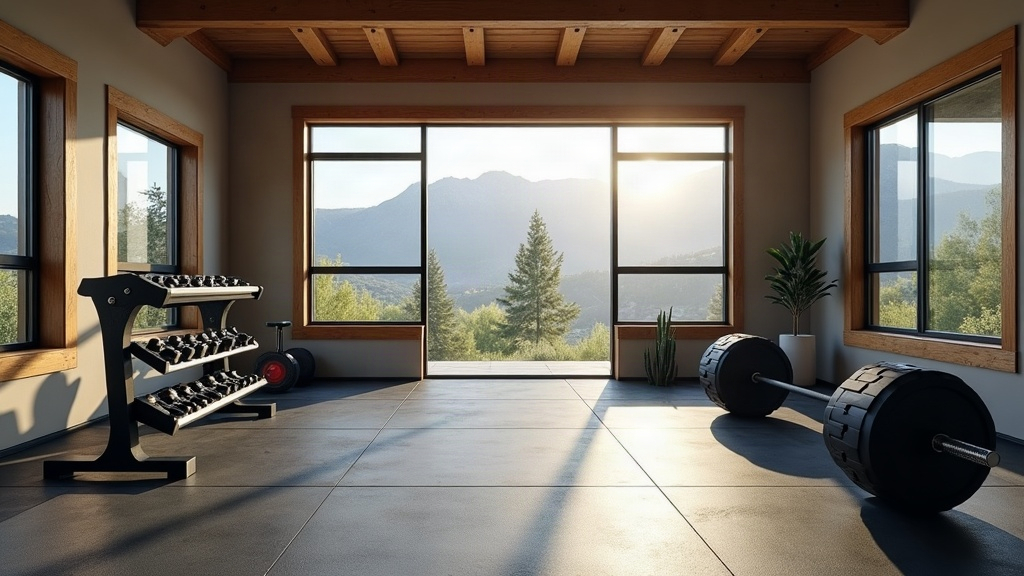
Something shifted in gyms across the Treasure Valley this year. The cardio decks are quieter. The free-weight sections are busier. Boise, Meridian, and Eagle residents who used to stick to ellipticals and group fitness classes are now squatting, deadlifting, and pressing their way through strength programs. The "strength era" is not just a TikTok phrase. It is a genuine cultural shift, and it is showing up at gyms from the YMCA in Nampa to the boutique lifting studios in Eagle.
Women are leading it. Across social platforms and fitness publications, the conversation around lifting heavy has hit a level of momentum that dwarfs anything from the past decade. The message is consistent: building muscle is not a niche pursuit anymore. It is the standard. And the data behind the benefits, from bone density and metabolic health to longevity and hormonal regulation, keeps strengthening the case for every rep.
If you are part of this movement, whether you just added your first barbell program or you are deep into your second year of progressive overload, you are probably dialing in the obvious variables: protein targets, sleep quality, programming, recovery. But there is one factor most Treasure Valley lifters have never even thought to look at. It is in your shaker bottle. It is in your pre-workout water. It is flowing through your tap every single day.
The Strength Era, Explained
The strength era is not just about lifting heavier weights. It represents a broader rejection of the idea that fitness should be primarily about burning calories or staying small. The conversation has shifted toward building capacity, adding muscle, getting genuinely strong. Heavy compound lifts, things like squats, deadlifts, bench press, and overhead press, are now mainstream.
For women specifically, this is a meaningful change. For years, the cultural message around women and exercise tilted toward low-impact, low-weight, high-rep formats. That is shifting fast. Research on the benefits of heavy resistance training for women has caught up with what competitive athletes already knew: lifting heavy protects bone density (especially critical heading into perimenopause), builds the metabolic foundation that makes body composition changes sustainable, and creates functional strength that shows up in everyday life.
Gyms are responding. Free-weight sections are expanding. Power racks are filling up. Equipment suppliers report surging demand for barbells and plates at facilities across Ada and Canyon Counties. The strength era is not a trend that is peaking. If anything, it is still building.
What Boise Hard Water Actually Does to Lifters
Here is the counterintuitive question worth sitting with: what if the thing holding back your strength gains is not your program, your diet, or your sleep? What if it is your water?
Treasure Valley tap water runs hard. Boise city water tests between 10-15 grains per gallon (gpg). Meridian water comes in slightly higher at 12-17 gpg depending on the season and your local source. For context, water above 10 gpg is classified as very hard. That is what most people in this region are drinking every day, including from the faucet they fill their shaker bottles with.
Hard water at these concentrations creates three specific problems for serious lifters.
Problem one: you drink less of it. Hard water at 10-17 gpg has a noticeably metallic or chalky taste and a slightly thick mouthfeel. It is not dramatic, but it is real. Most people who train seriously already know they should be drinking more water than they do. When your tap water tastes off, you subconsciously drink less of it. A 2% drop in body water is enough to measurably impair muscular endurance and strength output. That is not a rounding error. That is real performance lost.
Problem two: the minerals are not the ones your muscles need. A common assumption is that hard water is a natural source of calcium and magnesium, which are both important for muscle function. The catch is that the calcium and magnesium dissolved in hard water at Treasure Valley concentrations are not in a bioavailable form your muscles can readily use. Instead of supporting muscle contraction, they behave more like scale-forming compounds that deposit on surfaces. You have seen this on your shaker bottle and your faucet fixtures. The same thing happens in your water lines. The minerals in hard water are not supplementing your electrolyte balance in any meaningful way.
Problem three: chloramine stays in your water bottle. Boise and Meridian use chloramine as a disinfectant, not standard chlorine. The difference matters. Regular chlorine will off-gas if you let water sit out or if you boil it. Chloramine is chemically more stable. It stays in your water even if you fill a bottle the night before. For some athletes, chloramine in training water contributes to mild GI sensitivity during high-intensity sessions. If you have ever felt an unusual stomach edge during hard training and could not point to a nutritional cause, your tap water is worth investigating.
A Seasonal Note on Treasure Valley Water
If you have noticed your tap water tasting slightly different in the last few weeks of September, there is a reason for that. The Nampa-Meridian Irrigation District shuts down its canal system at the end of the month, with this year's shutoff set for September 28. When large-scale surface irrigation drawdown stops, the groundwater mixing ratios shift. Municipalities that draw from a blend of surface and groundwater sources can see minor chemistry fluctuations in late September and early October as the system adjusts. It is not a health concern, but it is a real seasonal variable that can affect taste and mineral content at the tap.
What Actually Helps: Softened and Filtered Water for Training
The practical fix for Treasure Valley lifters is straightforward. A whole-home water softener addresses the hardness issue at the source, removing the calcium and magnesium compounds before they reach your tap, your shaker bottle, or your appliances. You end up with water that tastes clean and neutral, which means you will actually want to drink enough of it throughout the day and around training.
For athletes who want the cleanest possible training water, pairing a softener with a reverse osmosis system at the kitchen sink adds another layer. RO filtration removes chloramine effectively, something that standard pitcher filters and most refrigerator filters do not accomplish. The result is water that is genuinely clean, tastes neutral, and is not working against your training or your gut.
If you are already deep into strength era programming and you have not thought about your water quality, this is a practical place to start. For more on how water quality affects serious athletic recovery, the article on your recovery stack and Boise water quality covers the full picture, including how water interacts with protein, creatine, and electrolyte supplements. There is also a deeper dive on athlete water quality in Boise if you want the science behind the performance connection.
Free Water Test for Treasure Valley Lifters
If you want to know exactly what is in your tap water before you decide on any solution, TrueWater Idaho offers free water testing across the Treasure Valley. We will show you your actual hardness level, chloramine concentration, and other relevant markers. No pressure, no upsell. Just real numbers from your actual tap so you can make an informed decision.
Call us at (208) 968-2771 or book a free consultation online. We serve Boise, Meridian, Eagle, Nampa, Caldwell, Kuna, and Star.