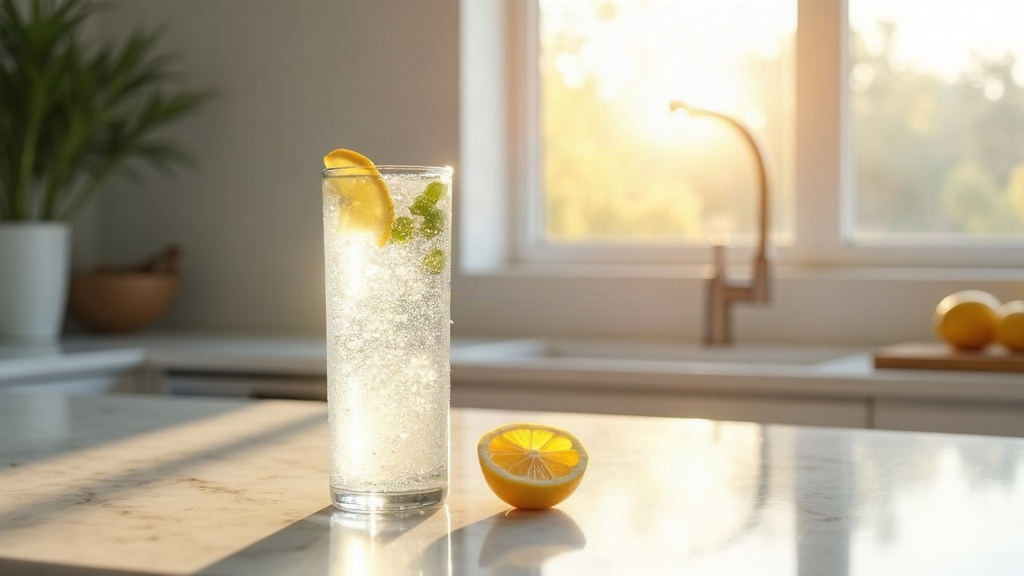
Sober September is having a moment. What started as a fringe wellness challenge has become a legitimate cultural movement, with millions of people each year choosing to go alcohol-free for the entire month of September. Whether you call it Dry September, Sober Curious, or just "giving your liver a break," the numbers are clear: participation has grown every year since the early 2020s, and 2026 is shaping up to be the biggest year yet.
The sober curious movement is broader than just one month. It is a lifestyle shift, a growing pushback against the idea that every social gathering, every work dinner, every Friday night has to involve alcohol. People are trading cocktails for mocktails, beer for sparkling water, wine for herbal tonics. And they are feeling better for it: better sleep, clearer skin, more energy, and a wallet that is slightly less empty.
So if you are one of the thousands of Treasure Valley residents taking on Sober September this year, first: respect. Second: we need to talk about what is actually in your glass. Because when water becomes your primary beverage for 30 days straight, the quality of that water starts to matter a whole lot more than it did when you were chasing it with a glass of cabernet.
When Water Is Your Main Drink, What Is In It Matters
Here is the thing most people do not think about until they go alcohol-free: water is not just water. Tap water, filtered water, well water, softened water, RO water. They are all genuinely different, and those differences show up in taste, in the way your coffee and tea comes out, in how your skin feels after a shower, and in the buildup you see in your kettle after a week of heavy use.
When you are averaging two to three drinks a night and water is just what you sip between beers, you probably do not notice the chalky aftertaste or the flat mineral quality. But drink eight to ten glasses of Boise tap water every single day for 30 days and you will notice. Fast.
The good news is that there is an easy fix. But first, let us look at exactly what Treasure Valley water is working with.
What Is Actually in Boise Tap Water
Boise's municipal water supply comes from the Boise River and a network of wells tapping into the Eastern Snake Plain Aquifer system. It meets all EPA safety standards. You are not going to get sick from it. But "safe" and "great tasting" are two very different things.
The main issue is hardness. Boise area water runs between 8 and 17 grains per gallon (gpg) of dissolved minerals, primarily calcium and magnesium. For reference, anything over 7 gpg is considered "hard water" by the Water Quality Association. Most of the Treasure Valley is running well above that threshold. Some areas of Nampa and Caldwell can push toward the upper end of that range.
What does that mean in practice? It means:
- A chalky, flat taste that is especially noticeable in plain cold water
- White scale buildup inside your kettle, coffee maker, and water bottles
- Spotty residue on glasses and dishes straight out of the dishwasher
- Soap that does not lather as well as it should
- Skin and hair that feels a little dull or dry after showering
If you have lived in the Treasure Valley for a while, you have probably just accepted these things as normal. They are common here, but they are not inevitable. Want to dig deeper into the numbers? Check out our full breakdown of Meridian water hardness levels or read our complete guide to hard water in the Treasure Valley.
The Idaho Drought Makes This Worse Right Now
Here is a wrinkle that is particularly relevant right now, in late August 2026. The Eastern Snake Plain Aquifer, which feeds much of our regional water supply, has been hitting historic lows this summer. Boise State Public Radio reported just two days ago (August 26, 2026) on the aquifer's continued decline, driven by drought conditions across the Snake River Plain.
When aquifer levels drop, water is drawn from deeper, older sources. Those deeper sources tend to have higher mineral concentrations. In practical terms: the drought may be pushing Treasure Valley water hardness levels even higher than the 8-17 gpg we typically see. It is a good time, right now, to actually test your water instead of assuming it is the same as it was a year ago.
Chlorine levels can also fluctuate more during drought periods as treatment plants adjust their protocols to compensate for changes in source water. If you have noticed your tap water tasting more strongly of chlorine lately, that is probably why.
Signs Your Water Needs Attention
You do not need a chemistry degree to know your water has issues. Here are the most common signs we hear from homeowners across Boise, Meridian, Eagle, and Nampa:
- Taste: Flat, chalky, or minerally. Sometimes a faint metallic note.
- Smell: A mild chlorine smell, especially noticeable right when the tap runs.
- Scale: White crust inside the kettle, around faucet heads, on the showerhead.
- Dishes: Cloudy spots or film on glasses even after the dishwasher runs.
- Appliances: Your water heater, coffee maker, or washing machine running less efficiently than they used to.
- Skin and hair: Feeling dry or dull even with good products. Hard water strips moisture.
If two or more of those sound familiar, your water hardness is almost certainly above 7 gpg. If four or five sound familiar, you are probably in the 12-17 gpg range.
What You Can Do About It
The simplest first step is a free water test. We come to your home, test for hardness, pH, chlorine, and common contaminants, and walk you through exactly what we find, no pressure and no obligation to buy anything. It just gives you actual data instead of guesses.
From there, the most common solution for Treasure Valley homes is a whole-house water softener. A softener works by exchanging the calcium and magnesium ions in hard water for sodium ions through a resin bed. The result: water that tastes noticeably better, does not leave scale buildup, lathers with soap properly, and is gentler on your skin and appliances.
For homes that want an extra layer of filtration on drinking water specifically, we often pair a softener with a reverse osmosis system under the kitchen sink. RO removes additional contaminants and produces water that tastes genuinely great, the kind of water you will actually want to drink eight glasses of every day.
During Sober September, that matters more than usual. Staying hydrated is easier when your water tastes good. And when you are skipping the social lubricant of alcohol, having a beverage you actually enjoy in your hand goes a long way.
Make Your Water Worth Drinking
Free in-home water test for Treasure Valley homeowners. We test, explain, and never pressure. Takes about 30 minutes.
Book Your Free Water TestServing Boise, Meridian, Eagle, Nampa, Caldwell, Star, Kuna, and Garden City