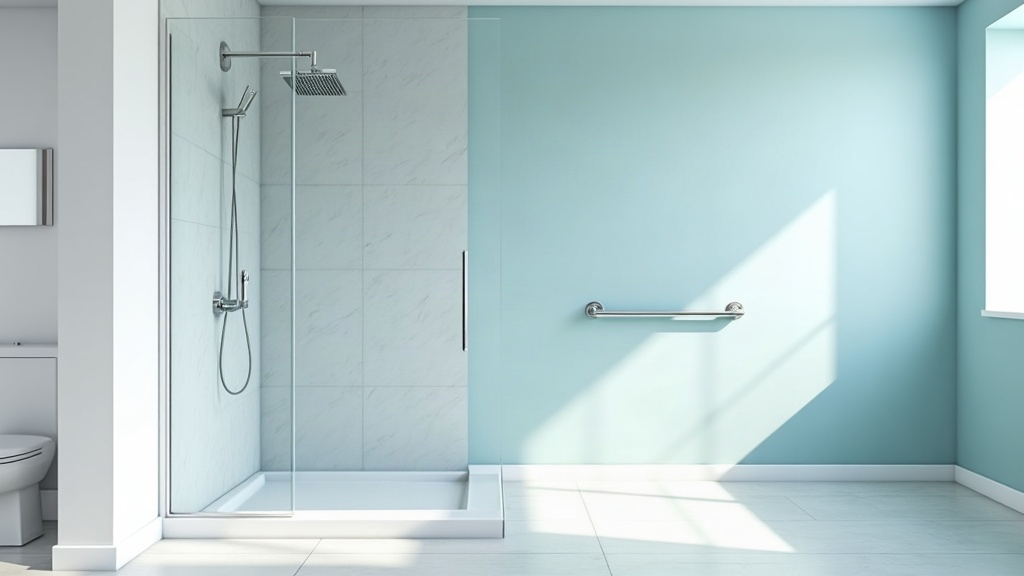
Published October 19, 2026 • 7 min read
Ask a longtime Boise homeowner what changed about their house as they got older, and the answers are usually small and physical: the shower floor feels slick, the faucet handle is stiff, skin itches in winter, and cleaning takes more out of them than it used to. Many of those problems share a quiet cause that has nothing to do with age. It is the minerals in the water.
We work with Treasure Valley families of every age, including plenty of retirees who plan to stay in their homes for the long run. Here is how hard water affects seniors in Boise, what actually helps, and where a softener fits in.
Why Seniors Notice Hard Water More in Boise
Boise tap water typically runs about 10 to 15 grains per gallon (gpg), and parts of Meridian reach 12 to 17 gpg. That is hard to very hard, and it has been this way for decades. What changes with age is how much the effects matter. Skin gets thinner and drier, grip strength and balance are less forgiving, and tasks like scrubbing a tub are harder on the shoulders and wrists.
Hard water leaves calcium and magnesium behind on every surface it touches. None of that is dangerous to drink, and we are not saying it is. The issue is the daily friction it adds. Small annoyances stack up, and for someone with arthritis or limited mobility, they can turn routine chores into real work.
Slip Risk in the Shower: Soap Scum and Mineral Film
Falls in the bathroom are a serious concern for older adults. The CDC reports that falls are common and costly for people over 65, and the CDC falls prevention resources list bathroom safety among the basics. Grab bars, non-slip mats, and good lighting come first, and we would never suggest a water treatment replaces them.
Still, water chemistry plays a quiet role. Hard water reacts with soap to form a sticky curd, the gray film that coats tubs and shower floors. That film can make a surface slicker underfoot, and it traps body oils that add to the slick feeling. Mineral crust can also build up on textured shower floors and rough them in the wrong places, making them harder to clean thoroughly.
Softened water forms far less of that film because there are fewer minerals to react with soap. The result is a shower floor that rinses cleaner with less scrubbing. It is one small layer of safety on top of the grab bars and mats, not a substitute for them.
Dry, Itchy Skin and Hard Water in Boise Winters
Older skin produces less natural oil, and Idaho winters are already dry. Hard water can make that worse. Minerals and soap residue can leave a thin layer on the skin that some people find tight, flaky, or itchy after bathing. Research on the exact link is still developing, and many things cause dry skin, so we will not promise a cure.
What we hear from customers is consistent: after switching to softened water, they use less soap, feel less residue after showering, and notice less itching in the winter months. If you have a skin condition, talk with your doctor or dermatologist first. Water treatment is an extra comfort measure, not a medical one. Our look at hard water and skin aging in Boise goes deeper on that side.
Easier Cleaning When Strength and Time Are Limited
This is the benefit that retirees mention most. Scale on faucets, glass shower doors, and kitchen sinks takes scrubbing, vinegar soaks, and harsh chemicals to remove. Hard water also clogs showerheads and aerators, and stiff scale on faucet handles can make them harder to turn for hands with arthritis.
With softened water, most of that buildup simply does not form. Glass wipes clean with a squeegee, chrome stays shiny between weekly wipe-downs, and you stop reaching for the strong cleaners that irritate lungs and hands. For a household where one spouse does most of the housework, or where family or a cleaning service visits only occasionally, the difference shows up fast.
Appliances, Utility Bills, and Fixed Incomes
Many Boise retirees live on a fixed budget, so surprise repair bills hurt. Scale is hard on water heaters, dishwashers, and washing machines. It insulates heating elements, so they work harder, and it can shorten the working life of appliances. We cover the numbers in our guide to what hard water costs a Boise home each year.
A softener is an upfront cost, so the honest question is whether it pays back. For a home at 12 to 15 gpg, many families find it does over time through longer appliance life, less detergent and soap, and fewer service calls. Your results depend on your water and your appliances, and we are glad to talk through the math with you.
Water Year News and Aging in Place
BoiseDev reported this month that record-low snowpack left its mark as Idaho enters a new water year. A tight water year is a good moment for older homeowners to check their systems, since an efficient, properly set softener uses less water and salt than an old, poorly set one. Ask us to review the settings on yours, especially if it has not been serviced in a few years.
Salt, Sodium, and Your Doctor
One caution matters for seniors in particular. A softener adds a small amount of sodium to the water in proportion to the hardness it removes. For most people that is a minor amount compared with food. If you follow a low sodium diet or have heart or kidney concerns, ask your doctor before making a change. A simple solution is to keep a separate reverse osmosis tap for drinking and cooking, or to ask us about potassium chloride. Our guide to potassium versus sodium chloride softeners explains the tradeoffs. We are water experts, not medical professionals, and we will always defer to your doctor on diet.
Seniors and Hard Water in Boise FAQ
Know What Is in Your Tap Water
Get a free water test and see your exact hardness in grains per gallon. No pressure, no sales pitch, just your numbers.