Published November 6, 2026 • 4 min read
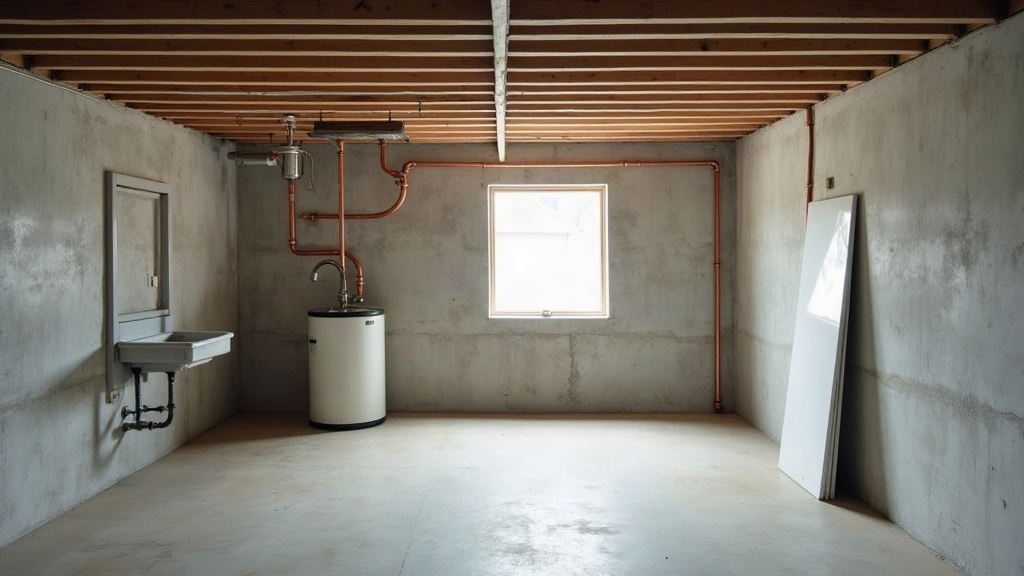
A post on r/homeowners climbed into the top of the subreddit this week. Someone had their parents' basement tested for radon and wanted to know how bad the number really was. The basement was packed with boxes, and the family wanted to know if they could fix the problem without hauling everything out.
If you have ever opened a test result and stared at it, you know the feeling. Radon is invisible, odorless, and easy to ignore until a number lands in your hands. The comments are a useful read for any Treasure Valley homeowner, because the basic questions are the same here.
What a Radon Test Tells You
Radon is a gas that seeps up from the soil and can collect in the lowest parts of a house. The EPA says it is the second leading cause of lung cancer after smoking, and it recommends fixing a home that tests at 4 pCi/L or higher. Between 2 and 4, the agency says to consider fixing it.
A short-term test usually runs two to seven days in the lowest lived-in level, with windows and exterior doors kept closed. One reading is a snapshot, not a verdict. If it comes back high, a second test or a long-term test is the normal next step before spending money.
Do You Have to Empty the Basement?
Clutter matters less than people think. The test measures air in the room, so stacks of boxes mostly do not change the result. Fixes for radon, such as a vent pipe that pulls gas from under the slab, are installed by a certified mitigation contractor and generally do not require clearing a whole basement first. Get a quote from a licensed pro and ask exactly what access they need.
We are a water company, not a radon contractor, so take that as general guidance and confirm it with the person who does the work. Idaho runs a state radon program that can point you to certified testers and contractors.
Where Water Comes In
The same test-it-first mindset applies to your water, and this is where homeowners often mix up two different things. Radon can also dissolve in groundwater. For homes on city water, that is rarely the main concern, since the EPA says most indoor radon comes from soil gas, not the tap. For homes on a private well, which includes a lot of properties around Eagle, Star, Kuna, and rural Canyon County, radon in water is a fair question to ask a lab.
One thing to be clear about: a water softener does not remove radon. Softeners handle hardness minerals. Radon in well water needs aeration or carbon filtration, and it should be confirmed with a lab test first.
The Test Most Homeowners Skip
Radon gets attention because it is a health issue. Hard water gets ignored because it is just annoying. But Boise water commonly runs 10 to 15 grains per gallon and parts of Meridian reach 17, and the cost of that hardness shows up slowly. It leaves scale in water heaters, cuts into appliance life, and leaves spots on every glass.
Here is a simple home testing list for a Treasure Valley house:
- Radon: a short-term kit in the basement or lowest living level
- Hardness: a free water test, which takes a few minutes
- Private well owners: yearly bacteria and nitrate tests, plus iron and radon if your area calls for it
- Smoke and carbon monoxide alarms: check batteries when the clocks change
Put It Together Before Winter
Houses are closed up from now until spring, which is the best time to run a radon test anyway. While you are checking the basement, look at the water heater and the pipes around it. White crust or flaking at the fittings points to hardness. Our guide on what home inspection water tests cover explains what to look at, and the new homeowner water checklist works well for anyone in a house they have not checked in years.
Radon and Water FAQ
Know Your Water Number
Get a free water test and see your exact hardness in grains per gallon. No pressure, no pitch, just the number.