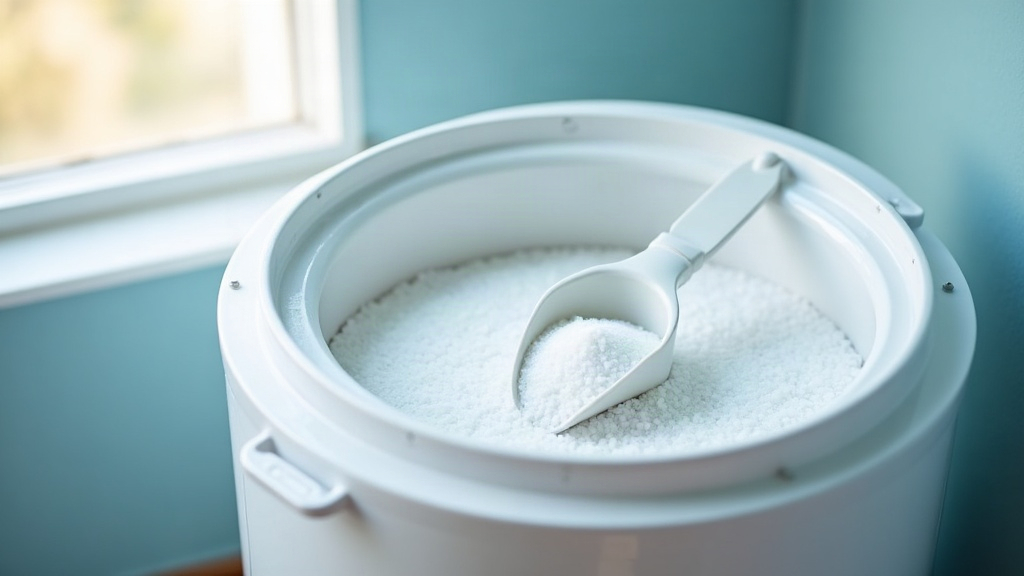
Published October 18, 2026 • 7 min read
Walk down the softener aisle and you will see two bags side by side: plain sodium chloride, and a pricier bag of potassium chloride with a "healthier" glow around it. The common wisdom says the potassium bag is simply the better choice. The truth is more mixed, and for most Treasure Valley homes the answer depends on three things: your budget, your health guidance, and what happens to the water after it leaves your drain.
We install and service softeners from Boise to Meridian, Eagle, and Nampa, so this question comes up weekly. Here is the plain version, with the numbers hedged where they should be.
How Softener Salt Works in Boise Water
A softener does not filter hardness out of your water. It trades it. Calcium and magnesium cling to tiny resin beads, and the beads release sodium or potassium in return. When the beads fill up, the system flushes them with a strong brine made from your salt, washes the hardness down the drain, and starts over.
Boise tap water typically runs about 10 to 15 grains per gallon (gpg), and parts of Meridian reach 12 to 17 gpg. That is firmly in the hard to very hard range, which is why scale builds on fixtures and spots show up on glasses. Either salt type can remove that hardness. The real differences are cost, a small change in what is left in the water, and how the used brine behaves outside your home.
If you are curious how much of either salt a normal household goes through, our guide on how often to add salt to your water softener walks through typical refill rhythms.
Potassium Chloride Water Softener Cost
Price is the biggest practical gap. Potassium chloride often costs two to four times as much per bag as sodium chloride, depending on the brand, the pellet quality, and where you buy it. Prices move around, so check current shelf prices rather than trusting any number printed in an article.
Here is how that plays out in a real household. A family using a few bags of salt a month on sodium chloride could see that line item climb sharply on potassium. Over a year, the extra can reach into the hundreds of dollars for a busy home with very hard water. For a smaller household with moderate hardness, the gap is smaller but still noticeable.
One more cost detail: potassium chloride usually needs a slightly higher dose setting, often around 10 to 20 percent more by volume, to deliver the same softening. That nudges the real cost per cycle higher than the bag price alone suggests. Your installer can set the right dose for your resin and your hardness level.
Sodium in Softened Water: What the Numbers Look Like
This is where the myth lives. People hear "salt" and imagine a salty glass of water. In practice, a softener adds sodium in proportion to the hardness it removes. For water in the 12 gpg range, that works out to roughly 20 to 30 milligrams of sodium per 8 ounce glass, which is a small amount next to what most people get from food. Your exact number depends on your hardness, so treat that as a ballpark, not a promise.
For most households that is not a concern. If you or someone in your home follows a strict low sodium diet, though, talk with your doctor. We are water treatment specialists, not medical professionals, and we will never tell you what a diet needs. What we can do is give you your measured hardness so your doctor can work from real numbers.
Potassium is the common answer for people watching sodium, but it has its own considerations. Some people on certain medications or with kidney concerns are told to limit potassium, so the swap is not automatically safer. Another reason to ask your doctor before choosing based on health alone.
Low Sodium Softener Options and Salt-Free Alternatives
There are a few ways to keep sodium down without changing salt types. A properly sized softener that regenerates by demand, not on a fixed calendar, uses less salt and adds less to your water overall. Many homes also keep an under-sink reverse osmosis tap for drinking and cooking, which removes most dissolved minerals at the one faucet where taste and diet matter most.
A salt-free softener is a different animal. Most salt-free systems are conditioners that change how scale forms instead of removing hardness. They can reduce scale buildup on pipes in some homes, but they do not give you the slick, spot-free feel that a true ion exchange softener delivers, and they do not protect appliances the same way at 15 gpg. If scale is your main issue and you want no salt at all, a conditioner can be a fair compromise. If you want truly soft water, you are looking at a softener.
That is a helpful way to frame the decision. Sodium chloride is the standard, potassium chloride is a premium variation, and salt-free is a separate category with different results.
Water Softener Salt Types in Boise: Pellets, Crystals, and Blocks
Whichever chemistry you pick, the form of the salt matters. Water softener salt types in Boise stores generally come as pellets, solar crystals, and blocks. Pellets are compressed and tend to dissolve cleanly, which makes them a safe default for most brine tanks. Solar crystals are cheaper but can leave more insoluble residue that builds up as a sludge layer. Blocks fit a few specific models and are not interchangeable with the others.
Purity is the bigger issue. Cheap, low grade salt leaves behind insoluble material that can foul the tank and cause a salt bridge, a crust that stops brine from forming. Potassium chloride can be more prone to bridging in a tank that stays cold, so check the tank now and then and break up any crust you find. If the tank is not drawing down as expected, call us and we will take a look.
Keeping the resin healthy is part of getting a good return on your salt dollar. When the beads wear out, no salt choice will rescue performance. Our overview of water softener resin replacement in Idaho explains the signs to watch for.
Water Year Conditions and Your Softener Salt Choice in Idaho
Local news gives this decision some extra context. BoiseDev ran a report this month on how record-low snowpack left its mark as Idaho enters a new water year. We will leave the hydrology to the reporters, but a tight water year is a good reminder that how a household uses and discharges water is worth a second look.
Two practical points follow. First, a properly sized, demand-based softener tends to use less water and salt per cycle, which is worth having in any year regardless of which salt you use. Second, the brine that leaves your softener goes to your sewer or septic system, and potassium chloride brine contains potassium that some gardeners and septic owners ask about. If your home is on septic or you discharge near landscaping, ask us before you decide; the right answer depends on your setup, and we would rather give you a straight answer than a guess. For general background on drinking water and groundwater, the EPA ground water and drinking water pages and Idaho DEQ water quality resources are good places to start.
So Which Salt Should You Choose?
Here is how we usually guide families. Choose sodium chloride if you want the lowest cost, you have no medical reason to avoid it, and you want the most widely available option. Consider potassium chloride if a doctor has advised you to limit sodium, or if you simply prefer it and the extra cost does not bother you. In either case, ask your installer to adjust the dose setting, since potassium needs a bit more.
If your water tastes salty after a recent change, that is usually a settings or drain issue, not your salt. We cover that in why softened water can taste salty.
The best first step is knowing your actual hardness. Once we have your gpg reading, the rest of the decision gets simple.
Potassium vs Sodium Chloride Softener FAQ
Know What Is in Your Tap Water
Get a free water test and see your exact hardness in grains per gallon. No pressure, no sales pitch, just your numbers.