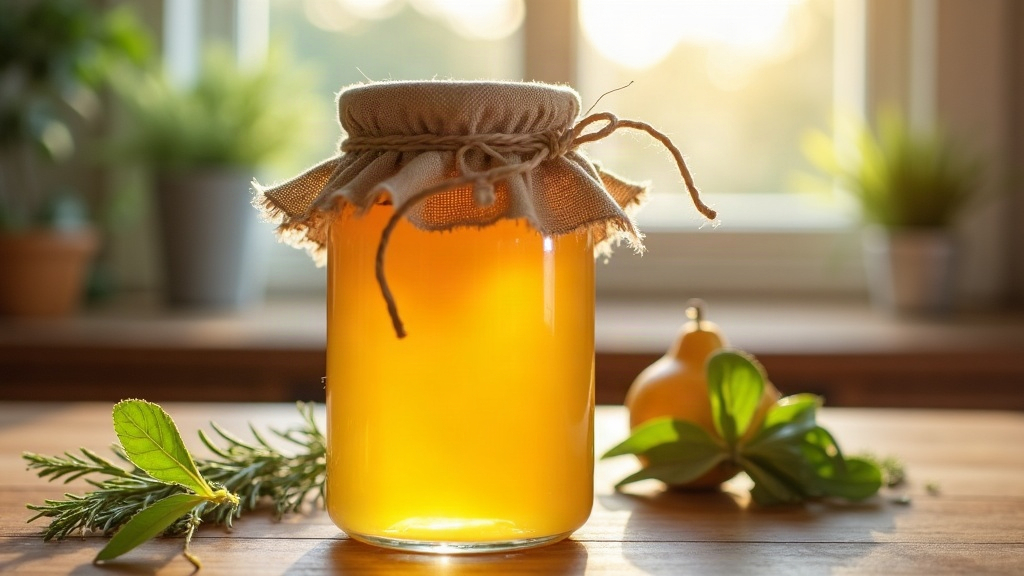
August 2026 and home fermentation has gone fully mainstream. Grocery stores in Meridian and Boise now stock kombucha starter kits right next to sourdough flour, kefir grains, and water kefir tablets. Instagram feeds are full of beautiful amber jars lined up on kitchen countertops. And yet, in the Treasure Valley, we hear the same frustrated story over and over: "My SCOBY died again. My kombucha smells wrong. It never gets fizzy." If that sounds like your experience, we want to tell you something your brewing guide probably left out. The problem might not be your technique. It might be your tap water.
What's Actually in Boise Tap Water
Boise and the surrounding Treasure Valley cities pull water from two main sources: the Boise River system and the Snake River Plain Aquifer. Both deliver reliable, safe drinking water. But "safe to drink" and "safe to ferment with" are not the same thing.
The key issue is chloramine. Most Treasure Valley municipal water supplies use chloramine rather than plain chlorine for disinfection. Chloramine is a compound of chlorine and ammonia, and it does one thing very well: it kills microorganisms. That is exactly what you want in a public water supply. It is also exactly what you do not want when you are trying to cultivate a thriving colony of live cultures in your brewing jar.
Beyond chloramine, Boise tap water typically measures 10 to 15 grains per gallon (gpg) of hardness. Meridian runs harder at 12 to 17 gpg. For reference, water hardness above 7 gpg is classified as hard. These dissolved minerals, mostly calcium and magnesium, interact with the acidic environment of kombucha fermentation in ways that can slow the process, alter flavor, and stress your SCOBY.
Chloramine: The Invisible SCOBY Killer
Here is the part that trips up even experienced home brewers: you cannot get rid of chloramine the way you can get rid of plain chlorine. If you leave a pitcher of chlorinated water on the counter overnight, the chlorine off-gasses and you are left with relatively neutral brewing water. Chloramine does not work that way. It is chemically stable at room temperature and stays active in your water indefinitely.
When you brew kombucha with tap water containing chloramine, you are essentially introducing a low-grade antimicrobial agent directly into your fermentation vessel. Some SCOBYs tolerate it for a batch or two before showing signs of stress. Others die quickly. The result is a rubbery, thin SCOBY, sluggish or absent carbonation, an off-flavor that ranges from medicinal to vinegary before the kombucha has properly fermented, and a brew that simply never tastes right.
Many Treasure Valley brewers spend months trying different tea blends, adjusting starter ratios, and tweaking fermentation temperatures without ever questioning the water. This is understandable; most brewing guides were written for regions with different municipal water chemistry. But in Boise, the water is the variable that matters most.
Hard Minerals and What They Do to Fermentation
The mineral hardness in Treasure Valley tap water adds another layer of complexity. High calcium and magnesium content creates a buffering effect in the brew, making it harder for the kombucha to reach the proper pH. A healthy kombucha ferment needs the pH to drop steadily from around 7 down to 2.5 to 3.5 over the course of fermentation. Heavily mineralized water slows that acidification process.
The practical effect: your first ferment takes longer than expected. The flavor profile skews toward flat sweetness rather than the pleasant tartness you are aiming for. In severe cases, the mineral interference creates an environment where less desirable organisms outcompete the SCOBY cultures, resulting in mold or off-odors.
This same dynamic affects water kefir grains and sourdough starters, though in slightly different ways. If you have struggled with any kind of live-culture fermentation in the Treasure Valley, the underlying water chemistry is almost certainly part of the picture. See our guide on sourdough starter water quality in Boise for more on that connection.
What Idaho Water Researchers Are Finding
Idaho is not short on water news right now. Researchers at Boise State and Idaho State University are actively studying underground water storage solutions for the state, with work published just this week exploring whether subsurface barriers could help hold groundwater that currently flows away. That research underscores something many Treasure Valley residents already know intuitively: the water supply here is complex, and the chemistry of what comes out of the tap reflects a whole system of groundwater management decisions.
For home fermenters, the practical implication is simple. The water that is perfectly managed for public health purposes is not necessarily managed for optimal fermentation chemistry. Understanding what is in your tap water is the first step to getting consistent brewing results.
The Fix: Filtered Water for Fermentation
The good news is that the solution is straightforward once you know what you are dealing with. A reverse osmosis system under your kitchen sink removes chloramine, reduces hardness, and gives you a clean, neutral starting point for all your fermentation projects. RO water for kombucha brewing is the standard recommendation among serious home fermenters, and for Treasure Valley brewers, it is close to essential.
One note: pure RO water is almost too neutral. Your SCOBY does benefit from trace minerals. Many experienced Treasure Valley brewers use RO water with a small pinch of sea salt or a trace mineral supplement added to the brewing water before steeping the tea. This gives you the clean baseline without stripping out everything the culture needs.
A whole-house water softener addresses the hardness side of the equation for everything in your home, including kitchen water used for brewing. Softened water is not the same as RO water though. Softeners exchange calcium and magnesium for sodium, which removes hardness but does not address chloramine. For kombucha specifically, pairing a softener with an under-sink RO or a catalytic carbon filter gets you the full solution.
For more on how mineral content affects your cooking and fermentation results, read our piece on hard water and cooking in Boise.
Beyond Kombucha: Water Kefir, Vinegar, and Bread
Everything we have said about kombucha applies equally to water kefir, milk kefir, lacto-fermented vegetables, and homemade vinegar. Live cultures are sensitive to the same antimicrobial agents that make tap water safe to drink. If you ferment anything in your Meridian or Boise kitchen, the quality of your water matters to the quality of your results.
The home fermentation trend is not going away. If anything, the August 2026 surge in starter kit sales and the growing Treasure Valley community of home brewers suggests it is accelerating. Getting your water right is not an advanced step. It is the foundation that makes every other fermentation variable easier to control.
Frequently Asked Questions
Common questions about kombucha fermentation fails Boise tap water chloramine
Does Boise tap water contain chloramine?
Yes. Boise and most Treasure Valley municipalities use chloramine (a chlorine-ammonia compound) rather than plain chlorine for disinfection. Unlike chlorine, chloramine does not off-gas when left sitting out overnight, which means it stays active in your brewing water and can inhibit or kill your SCOBY cultures.
How hard is the water in Meridian and Boise?
Boise tap water typically measures 10 to 15 grains per gallon (gpg). Meridian runs harder, often 12 to 17 gpg. For reference, water above 7 gpg is considered hard. These mineral levels can interfere with fermentation cultures, slow carbonation, and affect the flavor profile of your kombucha.
Will boiling tap water remove chloramine before brewing?
No. Boiling removes plain chlorine but not chloramine. Chloramine requires either a catalytic carbon filter, a reverse osmosis system, or a campden tablet (potassium metabisulfite) to neutralize. Simply letting water sit out also does not work for chloramine.
What type of water is best for kombucha fermentation?
Filtered water with low chloramine content and moderate mineral hardness (2 to 5 gpg) works best. A whole-house water softener paired with an under-sink reverse osmosis system gives you the cleanest starting point. Many Treasure Valley fermenters use RO water with a small pinch of sea salt to reintroduce trace minerals.
Can a water softener alone fix my kombucha problems?
A water softener reduces hardness by exchanging calcium and magnesium for sodium, which helps with mineral interference. However, it does not remove chloramine. For best brewing results, a water softener combined with a reverse osmosis or catalytic carbon filter gives you the complete solution.
Start Brewing With Water You Can Trust
A free water test from Water Softener Boise shows you exactly what is in your tap water, including chloramine levels and hardness. We serve Boise, Meridian, Eagle, Nampa, and the Treasure Valley. Call (208) 968-2771 or book online.
Book a Free Water Test