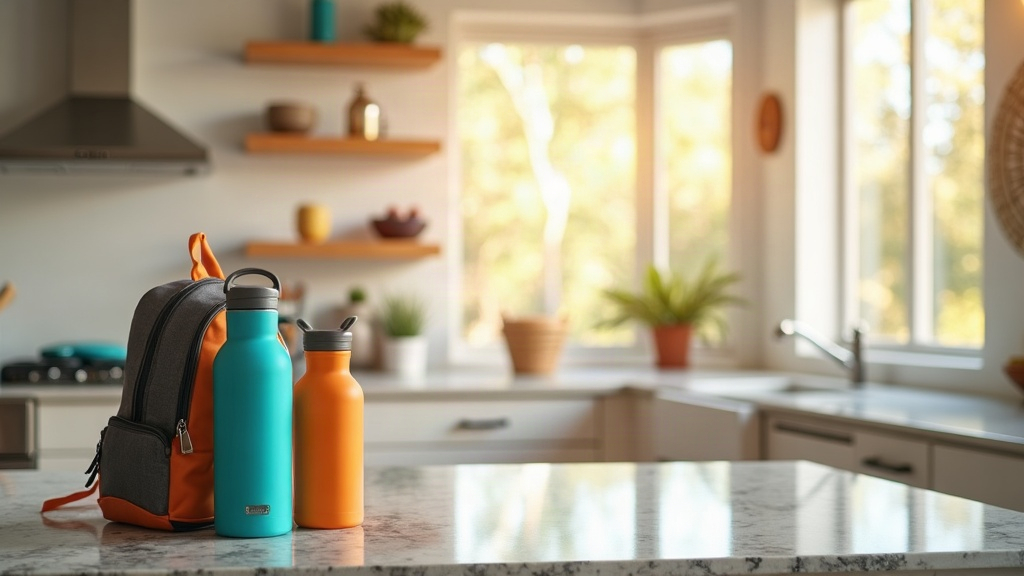
Picture this: your kid gets home from school, drops their backpack by the door, and immediately zones out in front of a screen. They're irritable. They can't focus. You wonder if it's their ADHD acting up, or if they just had a rough day.
Here's something most parents in Boise and Meridian don't hear from their pediatricians: those symptoms might not be about attention at all. They could be about water.
Why Half of Boise Kids Are Underhydrated Before Lunch Even Starts
Research consistently shows that around 75% of American children don't meet their recommended daily water intake. Even more striking: studies tracking kids throughout the school day find that nearly 40% arrive at the end of the day meaningfully dehydrated, a level where cognitive and emotional effects are already in play.
For Treasure Valley families, back-to-school season makes this worse. Late August and early September still bring temperatures in the upper 80s and 90s. Kids walk to and from bus stops, play at recess, and sit in warm classrooms, often without a water bottle in hand. By the time you pick them up at 3pm, the afternoon slump you're seeing might have less to do with homework dread and more to do with basic physiology.
The ADHD-Dehydration Overlap No One Talks About
This is the part that stops parents cold. Dehydration symptoms in children, specifically irritability, scattered focus, low energy, and mood swings, are clinically indistinguishable from ADHD symptoms. The brain is roughly 75% water, and a drop of just 1-2% in body water produces measurable reductions in attention, processing speed, and emotional regulation. That's not theoretical; that's documented in peer-reviewed research.
Stimulant medications commonly prescribed for ADHD suppress thirst as a side effect. A medicated child may not feel thirsty even when running low, which means the kids who most need hydration for cognitive function are at the highest risk of skipping it. ADDitude Magazine has covered this directly, noting that parents of ADHD kids need to be more intentional about water intake, not less. If your child's focus seems worse in the afternoon or on hot days, hydration is worth ruling in before adjusting anything else.
"My Kid Won't Drink Water" - You're Not Alone
Plenty of Boise parents have been through this. You buy the fun water bottle. You put it in their lunch. It comes home full every single day. And they'll happily drink juice, lemonade, or even plain sparkling water, just not tap water.
This is not a willpower problem. Children, and especially those with ADHD and autism spectrum profiles, tend to have heightened sensory sensitivity. Their taste perception is more acute than the average adult's. A flavor that reads as "slightly off" to you may register as genuinely unpleasant to them.
Treasure Valley tap water carries a specific flavor profile that many kids pick up on immediately. The combination of high mineral content and chloramine treatment creates a flat, slightly metallic aftertaste that most adults learn to ignore but many kids never do. See our breakdown of what your kids are really drinking in Meridian for the full picture on local water quality. This isn't pickiness. It's a Boise-specific problem with a solvable cause.
What's Actually in Treasure Valley Tap Water and Why Kids Reject It
Boise and Meridian water registers between 10 and 17 grains per gallon of dissolved minerals, predominantly calcium and magnesium. That's "hard" to "very hard" by water quality standards. You'll notice it on faucets, on dishes, and in the taste of a cold glass of water.
The disinfection piece matters too. Boise uses chloramine rather than chlorine. Chloramine stays active longer in the distribution system, which is why it's used, but it also produces a stronger, more persistent taste. That's what your kids are rejecting. Safe and good-tasting are two different things.
Simple Wins to Get Your Kid Drinking More Water This School Year
A few habits can make a real difference even before you address the water quality itself:
- Start the morning with water. A full glass before breakfast is one of the most effective hydration habits. Kids who drink first thing are less likely to arrive at school already behind.
- Send a cold water bottle every day. Cold water is more palatable to most kids than room temperature. Insulated bottles that stay cold through lunch make a difference.
- Build an after-school refill ritual. When they walk in the door, water before the screen. Same time, same cup, same location. Habits reduce friction.
- For medicated kids: set a reminder. If your child takes a stimulant medication, they may not feel thirst cues. A phone alarm at lunch is not overparenting; it's compensation for a medication side effect.
The longer-term fix is the water itself. Families who filter or soften their home water report that kids drink significantly more without extra prompting. When the taste barrier disappears, so does the resistance.
For Boise and Meridian families heading into fall sports season, hydration becomes even more critical. We put together a full guide on fall sports hydration for Boise kids if you want a deeper look at what active kids need from October through November.
Frequently Asked Questions
Find Out What's in Your Treasure Valley Water
A free water test tells you exactly what your family is drinking. No sales pressure, just answers. Most Boise and Meridian homeowners are surprised by what comes back.
Serving Boise, Meridian, Eagle, Nampa, and surrounding Treasure Valley communities.