What if I told you the trucks rolling through Nampa right now, hauling potatoes off I-84 fields, are connected to why your faucets build up scale faster every October? That sounds like a stretch. But this is not a metaphor or a clever marketing angle. It is literally how the Treasure Valley water system works, and in 2026, the effect is bigger than usual.
If you have lived here more than a year, you have probably noticed it: water that tastes a little different in fall, more spotting on the dishwasher, skin that feels drier after a shower. Most people blame the weather. The real explanation runs a few hundred feet underground, and it starts with potato season.
It's Potato Season in the Treasure Valley
Idaho is the top potato-producing state in the country, not by a little. The state grows roughly 14 billion pounds of potatoes a year, and a significant share of those come out of the fields you pass driving west on I-84 toward Nampa. The harvest started the week of September 14 this year, and it is coming off a rough growing season: two May frosts knocked back early plantings, and a brutal stretch of July-August heat stressed the crop through summer. Projections put 2026 as the smallest Idaho potato harvest since 2011. The quality is solid and prices are up, but volume is down.
If you are in Meridian this weekend and want to lean into the season, the Potato Days festival at Kleiner Park expanded to a three-day event in 2026. It is worth the trip. The harvest that feels like a big agricultural event two counties away is actually deeply woven into your daily life at home, including what comes out of your kitchen tap.
The connection runs through water. Specifically, through the irrigation infrastructure that makes the Treasure Valley farmable in the first place.
How Treasure Valley Irrigation Actually Works
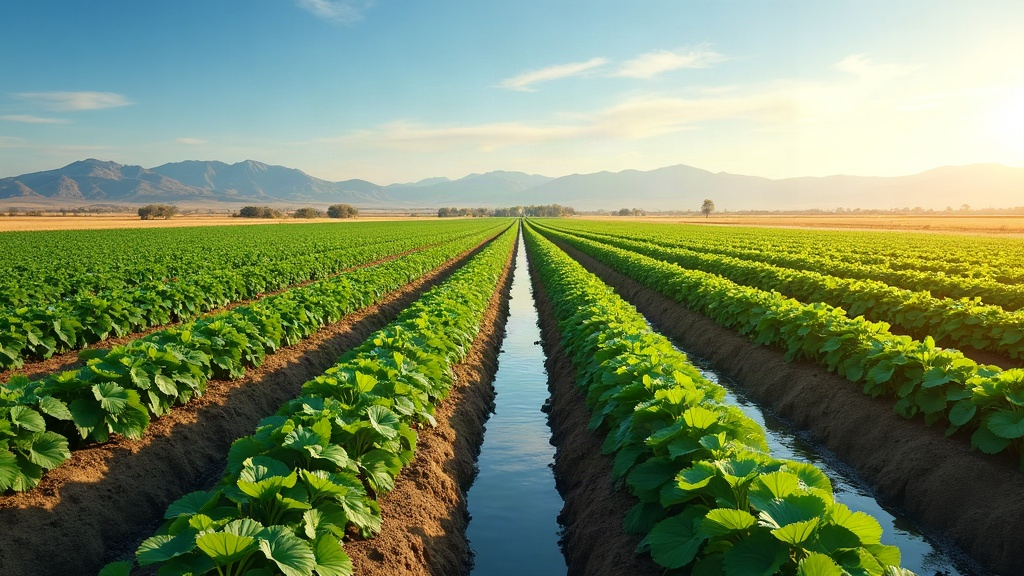
The Treasure Valley is a high desert. Without irrigation, most of the farmland here would not grow much. The Nampa-Meridian Irrigation District, the Boise-Kuna Irrigation District, and Pioneer Irrigation District collectively move enormous volumes of surface water, mostly Snake River water, across the valley from spring through fall. That water soaks into fields, travels through canals, and seeps into the ground across millions of square feet of farmland.
That seepage is not waste. It is recharge. All season long, irrigation water percolates down through the soil and feeds the Eastern Snake River Plain Aquifer, one of the largest freshwater aquifers in the western United States. That aquifer is a primary source for the groundwater wells that feed Treasure Valley municipal water systems. You can read more about this cycle in our article on how irrigation built the Treasure Valley's water hardness profile. The point is: during irrigation season, the aquifer gets a steady recharge from the surface. When irrigation stops, that recharge stops too.
The Water Quality Connection
The Nampa-Meridian Irrigation District, Boise-Kuna Irrigation District, and Pioneer Irrigation District are all scheduled to shut down their systems on September 28, 2026. That date is the practical end of irrigation season. Within weeks of that shutdown, the aquifer recharge rate drops sharply. The water table stabilizes at a lower, more mineral-dense state. Municipal utilities that blend groundwater and surface water adjust their ratios, and groundwater typically takes a larger share in fall and winter when Boise River flows run low.
This year, that seasonal shift is more pronounced. The Boise River is running at roughly 40% of its median flow for September 2026, partly a product of the same heat and low snowpack that hurt the potato crop. Less surface water in the blend means more groundwater, which means harder water flowing through your pipes. The USGS groundwater monitoring network shows this pattern repeating across the Snake River Plain year after year, with fall and early winter marking the seasonal hardness peak. You can see the USGS groundwater data for Idaho here.
Normal Boise tap water runs 10 to 15 grains per gallon (GPG) of hardness. Meridian typically runs 12 to 17 GPG. Those numbers can edge higher in fall, depending on your specific neighborhood and which utility serves your home. If you want to understand 2026's broader water quality picture, our piece on Idaho's 2026 drought and water quality covers the compounding factors in detail.
What This Means for Your Home This Fall
If you have been noticing white buildup on your faucets, spots on glassware, or soap that does not lather the way it should, you are not imagining it. Hard water leaves calcium and magnesium deposits on everything it touches. At 12 to 17 GPG, Meridian water is already in the "very hard" range. As the seasonal shift pushes groundwater ratios higher through October and November, those effects get more noticeable. Your water heater works harder, appliance efficiency drops, and skin and hair feel different in the shower.
October is the right time to get a baseline water hardness reading for your home. Testing in fall gives you the high-water mark for hardness, which is the number that matters most for sizing a softener system correctly. If you test in April, when snowmelt and higher river flows soften the municipal supply, you may undersize your solution and wonder why it is not keeping up in winter. Test now, size for your peak, and you will have accurate data to make a decision that actually holds up year-round.
Common Questions About Treasure Valley Fall Water Quality
Get a Free Water Test This Fall
Know your hardness number before winter. The TrueWater team comes to you, no commitment, results the same day.