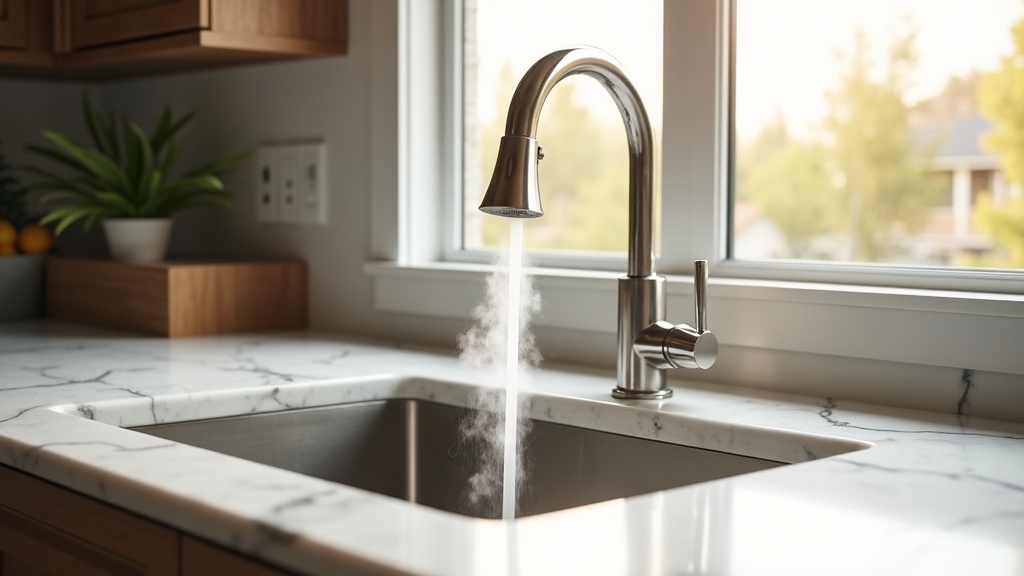
If you have ever poured a glass of hot tap water and noticed it tasted flat, metallic, or just plain off compared to cold water from the same faucet, you are not imagining things. The difference is real, and in Boise, Meridian, Eagle, Nampa, and the rest of the Treasure Valley, it is especially noticeable because of how our local water is composed.
We hear this question from homeowners across Ada and Canyon counties every week: why does my hot water taste different than my cold water? The short answer involves chemistry, your water heater, and Idaho's notoriously hard water. The longer answer is worth understanding, because it can tell you a lot about the overall health of your home's water system.
The Chemistry: Why Heat Changes Water Taste
Cold water naturally holds more dissolved gases, including carbon dioxide. That dissolved CO2 actually helps water taste crisp and clean. When you heat water, those gases escape rapidly. The result is flatter, sometimes stale-tasting water that lacks the refreshing quality you expect from cold water straight out of the tap.
At the same time, heat accelerates the dissolution of minerals. Calcium and magnesium, the primary minerals responsible for water hardness, dissolve more readily into warm water than cold. If your cold water tests at 12 grains per gallon of hardness, your hot water may effectively carry a higher mineral load because the heating process concentrates what is already there and picks up more from whatever surfaces the water contacts on its way to you.
Pipe material matters too. Older copper or galvanized steel pipes leach trace metals into water more aggressively when the water is hot. In newer homes with PEX plumbing, this is less of a factor, but the mineral concentration issue still applies.
Eagle Neighbor's Water Story: A Warning for the Whole Valley
Earlier this year, KIVI-TV reported on an Eagle homeowner whose tap water had been running yellow and brown for over a year. That story caught our attention because it reflects a pattern we see regularly across the Treasure Valley. Color and taste problems in tap water rarely appear out of nowhere. They build gradually as sediment accumulates, water heater components degrade, or underlying hardness issues go unaddressed.
Eagle sits in one of the harder water zones in the Treasure Valley, with typical hardness levels running 12 to 17 grains per gallon. At those concentrations, scale builds quickly inside water heater tanks, around anode rods, and along pipe walls. When that scale flakes or dissolves, it affects both color and taste. The homeowner in that KIVI report was dealing with an extreme version of what many Treasure Valley families experience in milder forms: water that looks or tastes wrong because of what has built up in their system.
The gap between "slightly off-tasting hot water" and "visibly discolored water" is a matter of degree, not kind. Both problems trace back to the same root causes: high mineral content, sediment accumulation, and inadequate water treatment.
Idaho Water Hardness: What Your City's Numbers Mean for Taste
Water hardness varies across the Treasure Valley, and where you live directly affects how dramatically your hot and cold water differ in taste.
- Boise: 10 to 15 grains per gallon. Moderate-hard. Hot water taste difference is noticeable, especially in older homes.
- Meridian: 12 to 17 grains per gallon. Hard. Scale buildup in water heaters is common. Hot water often carries a mineral or chalky taste.
- Eagle and Caldwell: 12 to 17 grains per gallon. Hard. Residents often report the most pronounced taste difference between hot and cold water.
- Nampa: 3.5 to 7 grains per gallon. Moderately soft by Treasure Valley standards. Hot water taste difference is less dramatic, though water heater sediment can still be a factor.
- Kuna and Star: Hardness varies by water source but often falls in the 10 to 15 gpg range. Hot water issues tend to mirror Boise and Meridian patterns.
The harder your water, the more minerals your water heater has to contend with. Over time, those minerals precipitate out and settle at the bottom of the tank as sediment. That sediment layer acts as an insulating barrier, forcing your heater to work harder, and it also directly contacts your hot water supply, contributing to off tastes and sometimes a faint earthy or mineral smell.
Your Water Heater Is a Key Factor
Most homeowners think about water heaters in terms of temperature and energy bills. Few think about them as contributors to water taste. But in a hard water region like the Treasure Valley, your water heater is one of the most significant points where water quality can degrade.
Here is what happens inside a typical tank water heater over time in Boise or Meridian:
- Hard water enters the tank and is heated to 120 to 140 degrees Fahrenheit.
- At that temperature, dissolved calcium carbonate precipitates and settles as white or gray sediment at the tank bottom.
- The magnesium anode rod, designed to protect the tank from corrosion, can react with sulfates in the water to produce hydrogen sulfide, which smells and tastes like rotten eggs.
- As the anode rod degrades, zinc and aluminum compounds may enter the water supply.
- Sediment layers 1 to 2 inches thick are common in Treasure Valley water heaters that have never been flushed. Some we have serviced have had 3 to 4 inches of compacted mineral scale.
All of that accumulated material has direct contact with your hot water. It is not surprising that hot water tastes different from cold when it has been sitting on a bed of mineral sediment.
Tankless water heaters are not immune either. Scale buildup on the heat exchanger surfaces can affect water quality, and without periodic descaling, a tankless unit in a hard water environment will develop similar issues over time.
Cold vs Hot Water: A Mineral Comparison
If you were to run a side-by-side mineral analysis of cold and hot water from the same Meridian or Eagle home, you would typically see higher total dissolved solids in the hot water sample. This is partly due to concentration effects and partly because hot water picks up more from the materials it contacts.
The minerals involved are not harmful at typical residential levels, but they are detectable by taste. Calcium contributes a chalky or limey flavor. Magnesium can add a slightly bitter note. Iron, even in trace amounts, creates a metallic taste that many Treasure Valley residents describe as the most unpleasant aspect of their hot tap water.
Cold water, by contrast, spends less time in the distribution system, does not go through the heating process, and retains more of its dissolved CO2. The result is water that tastes noticeably cleaner and fresher, even when it comes from the same source as your hot supply.
This is also why we recommend against using hot tap water for cooking, making coffee, or mixing beverages. The mineral concentration and potential sediment contact make cold water the better starting point, even if you plan to heat it yourself on the stove or in a kettle.
What to Do: Water Test, Softener, and Water Heater Flush
If the taste difference between your hot and cold water is pronounced, here is the sequence we recommend for Treasure Valley homeowners:
Step 1: Get a Professional Water Test
A comprehensive water test tells you exactly what you are working with: hardness level, iron content, pH, total dissolved solids, and any other contaminants present. This takes the guesswork out of treatment decisions. We offer free water testing across the Treasure Valley, and results typically come back within a day or two.
Step 2: Flush Your Water Heater
If your water heater has not been flushed in the past year, start there. Flushing removes accumulated sediment from the tank bottom, which immediately reduces the mineral contact your hot water has before reaching your faucet. In Meridian and Eagle homes with 12 to 17 gpg hardness, we often see dramatic taste improvement after a thorough flush. This is a straightforward service that takes about an hour.
Step 3: Install a Whole-House Water Softener
A properly sized water softener removes calcium and magnesium before water enters your water heater. Less hardness going in means far less scale building up over time. Homeowners in Boise and Meridian who install softeners consistently report that the taste gap between hot and cold water narrows significantly within a few weeks. The water heater tank also operates more efficiently and lasts longer when it is not fighting a constant mineral load.
Step 4: Consider a Whole-House Filtration Add-On
If your water test reveals iron, sulfur compounds, or other contaminants beyond hardness minerals, a whole-house filtration system can address those as well. For many Treasure Valley homes, a softener plus a carbon filter is sufficient. Homes with well water or unusual contaminant profiles may benefit from additional treatment stages.
Is Your Hot Water a Problem?
Our free water test identifies exactly what's causing taste, odor, or color issues in your Treasure Valley home.
Frequently Asked Questions
Is it safe to drink hot tap water in Boise or Meridian?
We generally advise against drinking hot tap water directly from the tap. Hot water dissolves metals, sediment, and scale from pipes and water heater tanks more readily than cold water. For drinking and cooking, use cold water and heat it separately on the stove or in a kettle.
Why does my hot water taste metallic in my Eagle or Caldwell home?
Eagle and Caldwell tap water runs 12 to 17 grains per gallon of hardness. When hot water sits in an aging water heater tank, it leaches minerals and sometimes iron or zinc from the anode rod and tank lining. The result is a metallic or mineral taste that cold water does not have. A water heater flush and a whole-house water softener typically resolve this.
How often should I flush my water heater to reduce taste problems?
In the Treasure Valley, where hardness runs 10 to 17 grains per gallon depending on your city, we recommend flushing your water heater tank every 6 to 12 months. Homes without a water softener accumulate scale faster and may need quarterly flushing to keep sediment from affecting taste and efficiency.
Will a water softener fix my hot water taste problem?
A water softener removes the calcium and magnesium that cause scale buildup inside your water heater. Less scale means fewer minerals dissolving into your hot water, so the taste improves noticeably. For the best results, combine a softener with a water heater flush to clear out existing sediment.
Why does hot water taste like rotten eggs in some Treasure Valley homes?
A sulfur or rotten egg smell in hot water usually points to a reaction between magnesium anode rods and naturally occurring sulfate in the water supply. This is more common in well water but can appear in city-supplied homes too. Switching to an aluminum or zinc-alloy anode rod, flushing the tank, and installing a whole-house filtration system typically eliminates the problem.