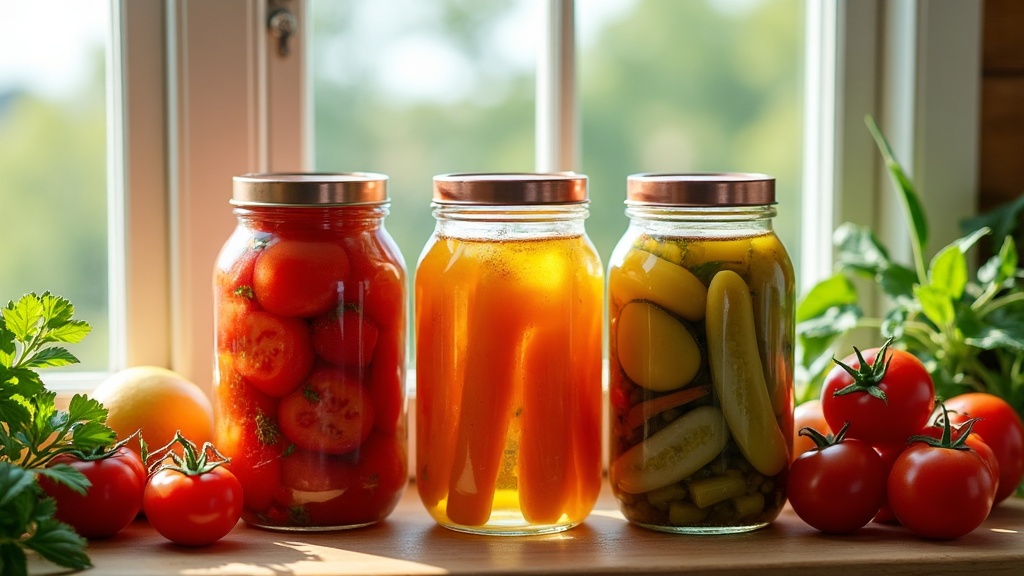
Something shifts in the Treasure Valley every August. Farmers markets overflow. Home gardens hit their stride. And in kitchens across Boise, Meridian, Eagle, and Nampa, the canning jars come out of storage. Tomatoes, cucumbers, peppers, and green beans: August is when the harvest turns into something that lasts.
This year, that ritual carries a little extra weight. Canyon County declared a drought emergency back in April, and water allotments for local farms have been cut through the summer. The farms are producing, but the margins are tighter. For home gardeners who have been carefully tending their plots through the heat, every tomato and every cucumber counts. Canning and preserving have become a way to stretch a precious harvest, not just a hobby.
And honestly, home canning is having a moment nationally too. Younger households are picking it up as a way to control what goes into their food, cut grocery costs, and connect with something more intentional than buying a jar off a shelf. If you are new to it or a returning canner, August in the Treasure Valley is the best time of year to be in the kitchen.
The Ingredient Boise Canners Always Forget
Every canning guide covers the right salt, the right vinegar acidity, the right processing time. What almost none of them mention is water quality. Specifically, the mineral content of the water you use in your brine, in your canning pot, and in your jam recipes.
Water is in every single thing you are canning. It is the base of your pickle brine. It is what your jars sit in during the water bath. It affects how your pectin behaves in jams and jellies. And in Boise and Meridian, the tap water carries a significant mineral load that most canners do not think about until something goes wrong with a batch.
What Hard Water Actually Does to Your Jars
The effects show up in a few predictable ways, and once you know what to look for, you will recognize them immediately.
Cloudy brine. This is the most common complaint. You use a solid recipe, follow the ratios carefully, and your pickle brine still comes out looking hazy or opaque. That cloudiness is mineral sediment from your tap water staying suspended in the liquid. It does not necessarily make the pickles unsafe, but it is a clear signal that your water is interfering with the process.
Off-color and misshapen pickles. Hard water causes pickles to turn unusually dark. Iron content in the water is especially damaging here, producing dark discoloration that makes perfectly good pickles look unappetizing. Mineral-heavy water also tends to produce pickles that come out wrinkled or shrunken rather than firm and crisp.
Scale on your pots and jars. If you notice a chalky white film building up on the inside of your canning pot or the outside of your jars after processing, that is mineral scale deposited by your tap water. It is harmless but persistent, and it builds up over time. The same scale that coats your showerhead and faucets is landing on your canning equipment too. You can read more about how hard water scale accumulates throughout Boise homes.
Jams and jellies that will not set right. Pectin is sensitive to the chemistry of the water it works in. The calcium and magnesium in Treasure Valley tap water can cause your set to go wrong, coming out too loose, too firm, or patchy. If your jam batches have been inconsistent even when you follow the recipe exactly, your water is a likely culprit.
What's in Boise and Meridian Tap Water
Treasure Valley water is genuinely hard. Boise tap water typically tests between 10 and 15 grains per gallon, which puts it in the "hard" range by any standard measure. Meridian water runs harder still, commonly measuring between 12 and 17 grains per gallon. That is among the highest hardness levels you will find anywhere in the region.
The main minerals are calcium and magnesium, which create that classic scale and soap-scum hardness. But iron is also present at measurable levels, and iron is particularly destructive to pickles, causing dark discoloration that makes a good cucumber look like something went wrong. For a complete breakdown of what Treasure Valley water contains, see our water softener FAQ for Idaho homeowners.
The Fix for Treasure Valley Home Canners
The straightforward answer is to use soft water or filtered water for your canning. The USDA and most serious canning resources recommend using soft water specifically when making pickles, because it eliminates the mineral interference that causes cloudiness and off-coloring.
Store-bought distilled water works if you are doing a small batch here and there. But if you are putting up 20 or 30 jars over the course of August and September, buying enough distilled water gets expensive and inconvenient fast.
A whole-home water softener is the more practical solution for Treasure Valley households. Softened water treats the mineral problem at the source, which means every time you fill a pot, run a brine, or wash a jar, you are working with water that is not going to fight your recipes. The Water Softener Boise team offers free water tests for Boise, Meridian, Eagle, Nampa, and surrounding areas. We can tell you exactly what your tap water contains and what kind of treatment makes sense for your home and your kitchen.
Free Water Test
Find Out What's in Your Boise or Meridian Tap Water
The Water Softener Boise team tests your water for free, shows you exactly what the mineral levels are, and gives you honest options. No pressure, no upsell.
Frequently Asked Questions
Why is my pickle brine cloudy even when I use a good recipe?
Cloudy or hazy brine is one of the most common signs of hard water interfering with your canning. The dissolved minerals in Boise and Meridian tap water stay suspended in the brine and make it look opaque. It is not a food safety issue in most cases, but it does affect appearance and can signal that minerals are also affecting texture and flavor. Using soft or filtered water clears up the brine immediately.
Can hard water make my pickles unsafe to eat?
Hard water itself does not make canned food unsafe, but it can interfere with the canning process in ways that affect quality. Minerals can soften pickles, discolor them, and cause scale buildup on jars and pots. If you are following a tested recipe and using proper canning technique, your food should be safe; the main impact is on taste, texture, and appearance.
Does hard water affect jams and jellies, not just pickles?
Yes. Hard water interferes with how pectin sets. The calcium and magnesium in Treasure Valley tap water can cause jams and jellies to set too firm, stay too loose, or set unevenly. If your jam batches have been inconsistent, your water could be the culprit. Soft or filtered water gives pectin the clean environment it needs to do its job.
Is a water softener the only fix for canning, or can I use store-bought water?
Store-bought distilled water works in a pinch, but it gets expensive quickly when you are doing large canning batches. A whole-home water softener is the most practical long-term solution. It treats all the water coming into your kitchen automatically, so every batch you make is already set up for success. Water Softener Boise offers free water tests so you know exactly what you are dealing with before you decide.
Questions about your Boise or Meridian tap water?
Call the Water Softener Boise team or book your free water test online.