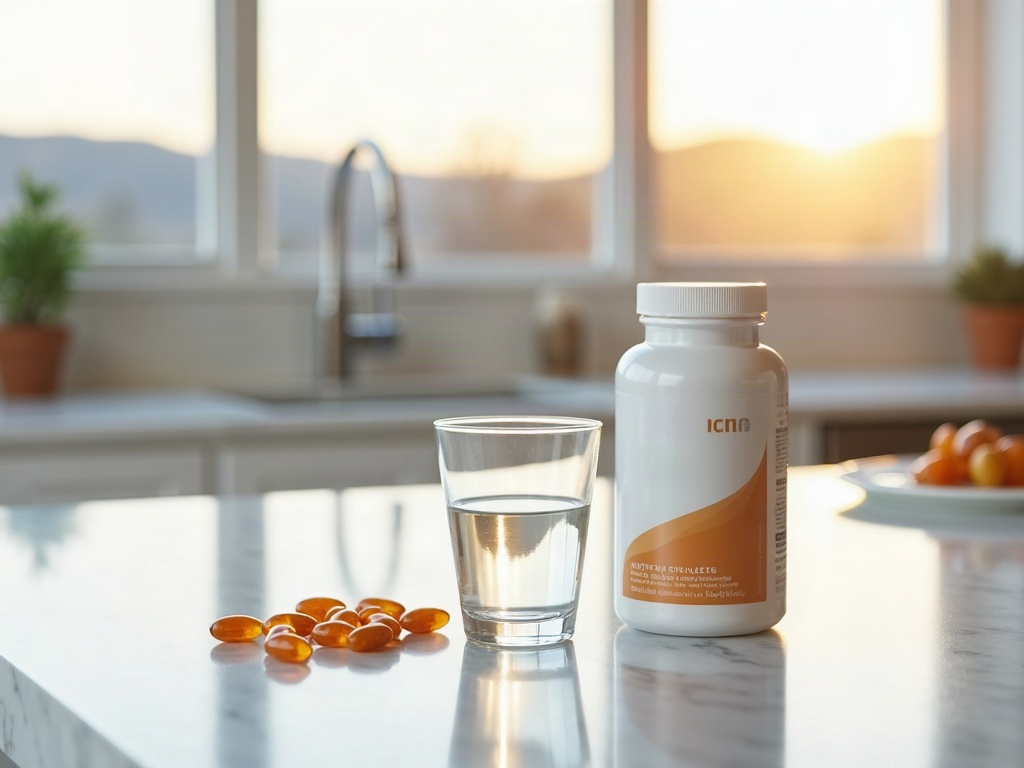
If your TikTok feed has looked anything like the rest of the internet's lately, you've probably seen it: women holding up blood test results, pointing at their ferritin number, and saying some version of "this explains everything." The trend picked up the name "ferritin face" after creators started documenting the hollow look around the eyes, the dull skin, and the bone-deep fatigue that comes with low iron stores. By September 2026, the Washington Post had covered it. NBC News ran segments on it. Search volume for ferritin tests surged over 5,000 percent.
What made the conversation explode wasn't just the symptoms. It was the realization that millions of women have been told their labs are "normal" while still feeling terrible. Columbia University researchers published findings showing that current diagnostic thresholds miss a significant share of affected women. And a study in JAMA Network Open from October 2026 put a sharper number on the problem: iron deficiency affects roughly 6 to 10 percent of reproductive-age women in the US, with many cases going unrecognized for years.
So women in Boise, Meridian, and across the Treasure Valley started booking ferritin tests. And some of them are doing everything right. They're eating red meat, taking iron supplements, cutting back on coffee before meals. The numbers still aren't moving. Here is what almost nobody is telling them: your tap water might be working against you.
What Low Ferritin Actually Feels Like
Ferritin is your body's iron storage protein. Your serum iron can look passable on a basic panel while your ferritin is depleted, which is part of why so many women walk away from a doctor's visit with "everything looks fine" and still feel like they're running on empty.
Low ferritin doesn't always announce itself as anemia. More often, it shows up as fatigue that sleep doesn't fix, difficulty concentrating, hair shedding more than usual, cold hands and feet, restless legs at night, and a general sense of flatness. The "ferritin face" piece that went viral was specifically about the sunken look around the eyes and the pallor that can appear even without a dramatic hemoglobin drop.
If you've been chasing these symptoms and your doctor is only running a basic CBC, it may be worth asking specifically for a ferritin panel. And if your ferritin is low despite consistent supplementation, the next question worth asking is about absorption, not just intake. For more on how women's health and water quality intersect in the Treasure Valley, that connection runs deeper than most people expect.
The Calcium Connection Nobody Talks About
What if the glass of water you drink with your iron-rich meal is quietly undoing it? That is the counterintuitive part that peer-reviewed research has now confirmed.
Iron absorption in your gut depends on a protein called DMT1, divalent metal transporter-1. DMT1 is basically the gatekeeper that pulls iron from your intestinal lumen into your cells. A 2022 study published in the American Journal of Physiology: Cell Physiology by Cegarra and colleagues identified something significant: calcium acts as a non-competitive inhibitor of DMT1. What that means in plain terms is that calcium doesn't just compete with iron for the same slot; it binds to the transporter itself and also binds to the DMT1-iron complex, physically blocking iron from crossing into your intestinal cells. Magnesium has a similar inhibitory effect on DMT1-mediated iron transport.
This isn't a small effect. And it doesn't require a calcium supplement or a glass of milk. It can come from your water. If you're drinking eight glasses of hard tap water per day while taking an iron supplement or eating iron-rich food, you are delivering a meaningful calcium and magnesium load to the exact location where iron absorption happens, at every single meal and every single supplement dose.
You can find the underlying iron deficiency research here if you want to dig into the science yourself. The short version: the absorption story is more complicated than "eat more iron," and calcium load is a real variable.
What Boise and Meridian Water Numbers Actually Mean
Boise city water typically tests at 10 to 15 grains per gallon (gpg) of hardness. Meridian typically runs 12 to 17 gpg. Both of those numbers put Treasure Valley water in the "very hard" to "extremely hard" category. The hardness you're seeing on those numbers comes primarily from dissolved calcium and magnesium carbonate picked up as water moves through the aquifer.
There's an additional factor worth paying attention to this year. In October 2026, BoiseDev reported on Idaho's record-low snowpack heading into the new water year. That matters because when snowpack is low, utilities draw more heavily from groundwater reserves. Groundwater, by its nature, has spent more time in contact with mineral-bearing rock than snowpack-fed surface water. That means the calcium and magnesium concentration in Treasure Valley tap water this cycle may be running higher than residents have historically seen.
If you have been wondering about the broader picture of hard water in Boise, the mineral load is not just a plumbing issue. It is a daily dietary input that compounds across every glass of water you drink. At 10 to 17 gpg, the calcium and magnesium load from eight glasses of tap water per day is not trivial. It lands in your gut at the same time as the iron from your dinner or your supplement, right where DMT1 is trying to do its job.
Simple Steps That Help
You don't need to overhaul your diet or stop drinking water. A few practical shifts can reduce the calcium-iron competition at the absorption level.
- Take iron supplements on an empty stomach with filtered water. If your water is high in calcium and magnesium, using softened or filtered water specifically for your iron supplement removes one of the inhibitors from the equation entirely.
- Separate your iron from your calcium-heavy meals by 1 to 2 hours. If you're eating dairy or drinking hard tap water at the same meal where you're relying on iron absorption, the timing works against you.
- Pair iron sources with vitamin C. Ascorbic acid is one of the few compounds that actively enhances non-heme iron absorption. A squeeze of lemon juice on leafy greens, or a small glass of orange juice with your supplement, helps offset some of the inhibition.
- Consider a water softener for your whole home. A salt-based ion exchange softener replaces calcium and magnesium ions with sodium. The mineral load in your daily water drops significantly. This helps with dehydration and anxiety patterns too, since people tend to drink more water when it tastes and feels cleaner. For iron absorption specifically, it removes the gut-level inhibitor from every glass you drink throughout the day.
- Get your water tested. Knowing your actual hardness number gives you a real baseline. Boise and Meridian have different averages, and individual wells or neighborhoods can vary from those city-wide numbers.
None of this replaces a conversation with your doctor about your ferritin levels. But it fills in a gap that most clinical conversations skip entirely: what you're drinking while you eat is part of your mineral intake, and for women managing low iron, that gap is worth closing.
Frequently Asked Questions
Can hard water actually lower my ferritin levels?
Hard water does not directly deplete ferritin, but it can chronically impair iron absorption. If your daily water contains significant calcium and magnesium, those minerals compete with iron at the DMT1 transporter in your gut. Over months and years, reduced absorption can translate into lower ferritin stores, even if your diet includes adequate iron. The effect is cumulative and tends to be overlooked because water is not considered a dietary calcium source in most nutritional guidance.
Is Boise and Meridian water particularly hard compared to other US cities?
Yes, Treasure Valley water is on the harder end of the national scale. Boise city water typically runs 10 to 15 gpg, and Meridian tends to run 12 to 17 gpg. The US Geological Survey classifies anything above 10.5 gpg as very hard. Most major metro areas in the Pacific Northwest and Midwest average 4 to 8 gpg. So residents here are dealing with a consistently higher mineral load than many people across the country.
Will a water softener improve my iron absorption?
A salt-based water softener replaces calcium and magnesium ions with sodium through ion exchange, which dramatically reduces the hardness of your tap water. If reduced calcium and magnesium load in your gut improves DMT1 function, then yes, softened water used consistently throughout the day could support better iron absorption over time. It is one variable in a larger picture that includes diet, supplement timing, and vitamin C intake, but it is a meaningful one that most people have not thought to address.
How do I find out my specific water hardness level?
The city averages give you a baseline, but your actual number depends on your specific location, your building's plumbing, and how much groundwater is in the current supply mix. A free in-home water test gives you an accurate reading from your own tap. TrueWater Idaho offers free water tests in the Treasure Valley with no obligation attached. Call (208) 968-2771 or schedule online to book a 20-minute visit.
Find Out What's In Your Water
A free water test takes 20 minutes and tells you exactly what your water contains. No pressure, no sales pitch.