Labor Day weekend is one of the few times of year when a lot of Boise families slow down enough to actually think about money. The long weekend creates a natural pause. Kids are about to head back to school, summer is officially closing out, and Q3 is wrapping up. For homeowners across the Treasure Valley, it's one of the best moments of the year to do a real home budget audit before fall spending season kicks into gear.
Most people run through the usual categories. Mortgage or rent. Utility bills. Groceries. Insurance. Maybe a streaming subscription or two that slipped through. You tighten a few things, feel reasonably good about where things stand, and move on. The problem is that most Meridian and Boise homeowners are missing one category entirely, and it costs them somewhere between $600 and $1,000 per year without ever showing up as a single line item on any statement.
It doesn't look like one expense. It hides inside a dozen other ones. You'll see it in your energy bill, your appliance replacement timeline, your soap and cleaning product spend, and eventually in a plumbing repair you thought was just bad luck. None of those bills will say "hard water" anywhere on them. That's exactly why this budget gap never gets caught.
Your Treasure Valley Home Budget in Q3: What You're Tracking vs. What You're Missing
Fall is when Boise area homeowners start thinking about home prep spending. Furnace filter swaps. Gutter cleaning. Maybe a new appliance before the holidays. If you're doing a Q3 home budget review right now, you're probably looking at the same categories everyone else looks at.
Here's what that review almost never catches: the ongoing, compounding cost of your water supply. Specifically, the mineral content in it.
Treasure Valley water is notoriously hard. Boise and Meridian tap water typically comes in at 10 to 17 grains per gallon (gpg), putting local water firmly in the "hard" to "very hard" classification. That's not just a quality issue. It's a financial one. And unlike a broken dishwasher or a one-time HVAC repair, the costs don't arrive as a single invoice. They bleed out slowly, month after month, across multiple categories, which is exactly why they're so easy to miss.
Local infrastructure decisions, including water system planning across Ada County, shape long-term homeowner costs in ways that aren't always visible at the time. The Boise City Council is currently deciding the fate of the Eckert Bridge over the Boise River floodplain and wetlands, a reminder that how the city manages its waterways and systems has downstream effects on every home connected to that infrastructure. For Treasure Valley homeowners, the practical version of that reality shows up in water quality, not just water access.
Where the Money Goes: A Real Breakdown
Hard water costs show up in four main categories. Here's what each one actually costs you over the course of a year.
Soap and Cleaning Products: $150 to $300 Per Year
This one sounds minor until you add it up. Hard water minerals bind to soap and prevent it from lathering properly. To get the same result, you end up using significantly more: more dish soap, more laundry detergent, more shampoo, more body wash, more bathroom cleaner. Research consistently shows that households with hard water at Boise-level hardness use 30 to 50 percent more soap and cleaning products than homes with soft water.
At 10 to 17 gpg, a typical Meridian family of four is spending an extra $150 to $300 per year just on the overage. Not on soap itself. On the extra soap they wouldn't need if the water wasn't stripping away effectiveness before it can do its job. That math is consistent regardless of which brands you buy. Switching to "better" cleaning products doesn't fix it. The water is the problem.
Energy Costs: $120 to $200 Per Year
Your water heater is working harder than it should be. Hard water mineral deposits, primarily calcium and magnesium, build up as scale on the heating elements and interior lining of your water heater over time. That layer of scale acts like insulation in the worst possible direction, forcing the heating element to push more energy through to heat the same amount of water.
Industry data shows that just a 1/4-inch layer of mineral scale forces a water heater to use 25 to 30 percent more energy to maintain the same output temperature. For a typical Ada County household, that translates to $120 to $200 added to your annual energy bill, year over year. You'll never see a line on your utility bill that says "hard water surcharge." It just shows up as a slightly higher number every month, forever.
Appliance Lifespan Reduction: $200 to $400 Per Year (Amortized)
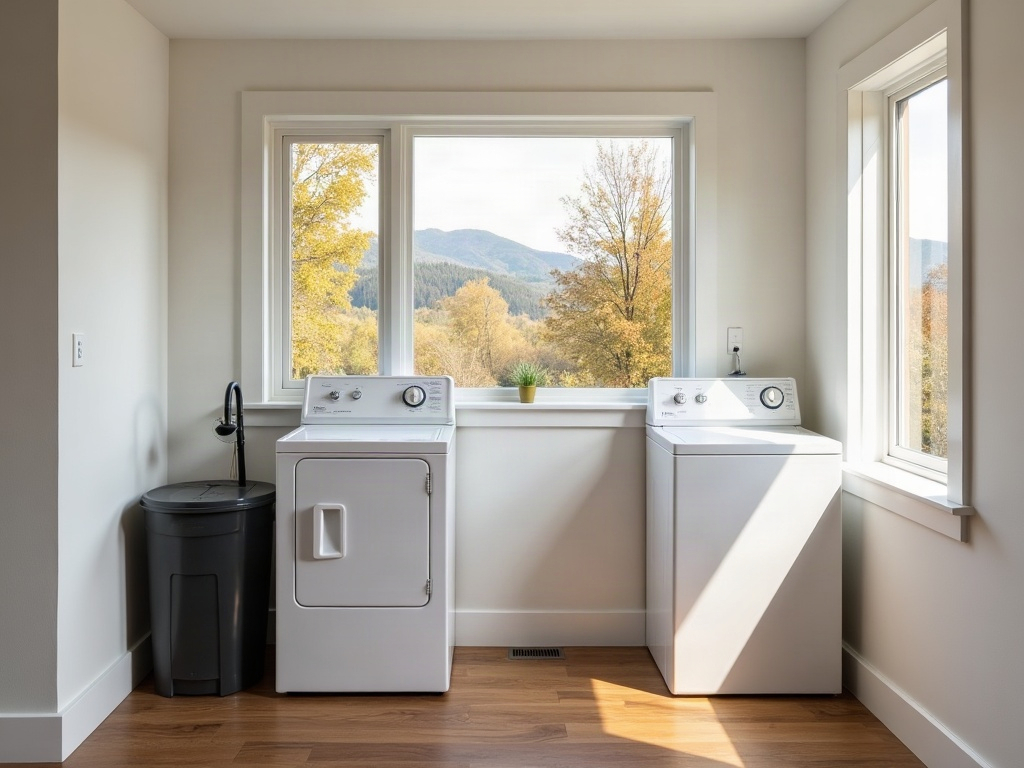
This is the big one that most homeowners don't calculate until they're standing in front of a failed appliance. A water heater rated for 12 years in a soft water home may last 6 to 8 years under Treasure Valley hard water conditions. Dishwashers and washing machines see similar lifespan cuts. Ice makers, coffee makers, and even tankless water heaters all take the hit.
When you amortize the cost of replacing a $1,000 water heater 4 to 6 years early, you're looking at $150 to $250 in effective annual cost from that appliance alone. Spread across your full appliance inventory, that's $200 to $400 per year in reduced equipment life, hidden inside what looks like normal appliance wear. For a deeper look at how hard water damages specific appliances in Idaho homes, see our article on washing machine hard water damage in Idaho.
Cleaning Time and Plumbing: $100 to $200 Per Year
Scale buildup doesn't just stay inside your appliances. It coats faucets, showerheads, tile grout, and glass surfaces. The extra scrubbing time and additional cleaning products needed to manage visible hard water deposits add up on both the time and money side. On the plumbing front, persistent scale buildup can narrow pipe diameter over years, reduce water pressure, and contribute to fixture failures that require professional repair. A single plumber visit in Boise typically runs $150 to $250. Even one extra service call per year that hard water directly caused adds real cost to your annual total.
The Full Picture: $600 to $1,000 Per Year, Invisible
Add those four categories together and you're looking at $570 to $1,100 per year in documented hard water costs for a typical Treasure Valley household. That's not a worst case estimate. That's a normal outcome for a home with 10 to 17 gpg water and no treatment system in place.
The reason almost no Boise homeowner catches this in a budget audit is simple: none of it appears as a single expense. It's distributed across your energy bill, your grocery and household supply runs, your appliance replacement schedule, and your occasional plumbing calls. Each individual piece looks normal. Together, they add up to a budget leak most families never locate.
For context on how hard water spending compounds specifically around cleaning products, our earlier article on why Boise homeowners overspend on cleaning products breaks down that specific category in detail.
What to Do With This Information
The first step is getting your actual water hardness number. Knowing you're in the "Treasure Valley" doesn't tell you whether your specific tap is running at 10 gpg or 17 gpg. That difference matters for sizing the right solution and understanding exactly what your annual cost exposure looks like.
A free water test from TrueWater Idaho takes about 30 minutes. You'll walk away knowing your exact hardness level, your estimated annual cost from untreated water, and the range of options that make sense for your home. There's no pressure and no obligation. For a lot of Meridian and Boise homeowners, it's the first time they've ever seen their actual water data instead of guessing from mineral stains on their faucets.
A properly sized water softener typically pays for itself in 2 to 4 years through the combination of reduced soap and cleaning costs, lower monthly energy bills, and extended appliance life. The math works because the costs are real and they're ongoing. The softener is a one-time investment. The hard water damage is not.
Find Out What Hard Water Is Really Costing You
Our free water test takes about 30 minutes and gives you exact hardness levels and a dollar estimate of your annual hard water cost. No pressure, no commitment.