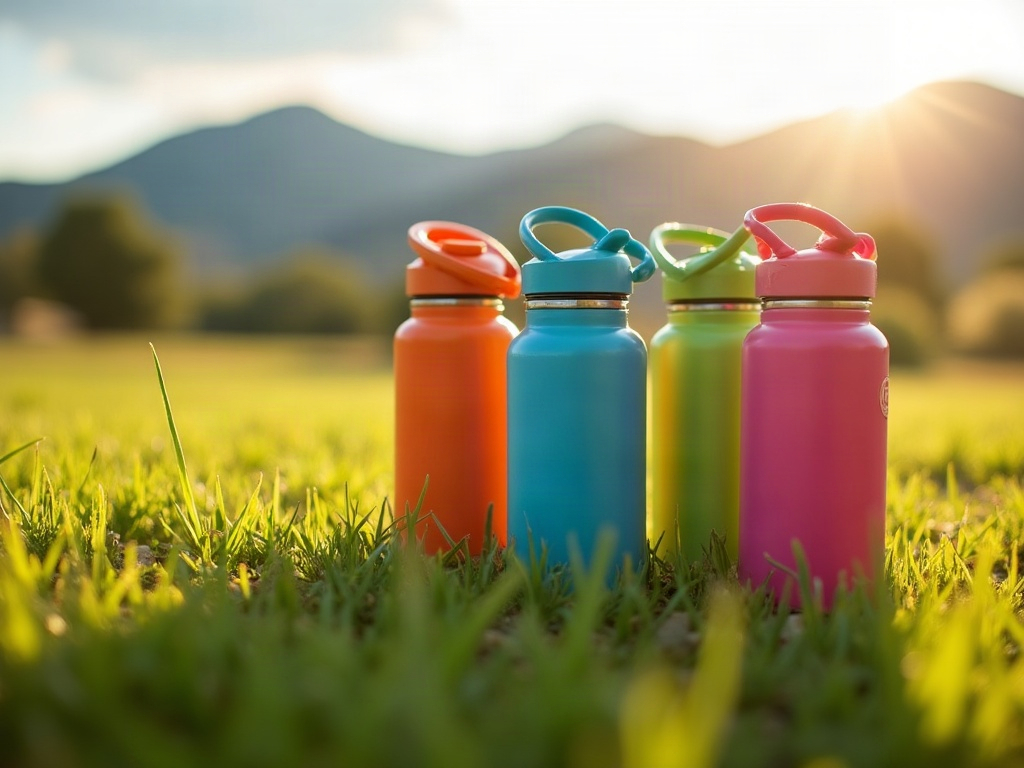
Fall sports are back in the Treasure Valley. Flag football and soccer registrations are filling up across Meridian and Boise. REAL Soccer Club has opened fall registration for U8 through U15 programs. Boise School District cross country, football, and volleyball are already underway across the city. And as of this week, afternoon practice temperatures in the Boise area are still reaching the mid-90s.
Every Boise and Meridian parent knows the drill: pack the water bottles, debate the sports drinks, wonder why your kid is cramping in the second quarter when they insist they drank plenty. But the 2026 sports science consensus has shifted. It is no longer just about how much water your young athlete drinks. It is about what is in the water, and whether your kid will actually drink enough of it.
Why Hydration Science Changed in 2026
Recent sports nutrition research has clarified something coaches and parents have long intuited: mineral quality in drinking water matters for athletic performance. Studies published in early 2026 found that mineral-rich water can improve performance biomarkers compared to low-mineral alternatives, with calcium and magnesium playing key roles in muscle function, nerve signaling, and energy production during exercise.
The timing is interesting, because Boise and Meridian tap water is already naturally high in calcium and magnesium. Treasure Valley water hardness typically runs 10 to 17 grains per gallon depending on your neighborhood, which puts it in the hard-to-very-hard category. In theory, your kids are drinking mineral-rich water every time they fill up at home.
The catch is palatability. Boise and Meridian treat their water supply with chloramine, not free chlorine. Unlike free chlorine, which off-gasses when water sits in a glass or bottle, chloramine stays active in the water indefinitely. That flat, faintly chemical taste that many people notice in Treasure Valley tap water is not their imagination. It is the chloramine. And when kids think the water tastes off, they drink less of it, regardless of how many times you remind them.
What Boise's Water Looks Like During Fall Sports Season
Your tap water is not static. Boise and Meridian draw from a blend of surface water from the Boise River system and groundwater from aquifer wells. Each fall, as summer reservoir drawdown peaks and irrigation demand begins to taper, the municipal supply shifts proportionally toward groundwater, which tends to carry higher mineral concentrations.
The aquifer your tap water draws from right now has been shaped by three straight years of drought and below-average snowpack, a challenge Idaho State and Boise State researchers are actively studying. What comes out of your faucet in late August is likely harder and more mineral-concentrated than at any other time of year, which means the palatability problem peaks exactly when your athlete is drinking the most.
The Performance Gap That Taste Creates
The dehydration research for youth athletes is unambiguous. A two percent drop in body water, well below the level where most kids consciously register thirst, produces measurable declines in endurance, reaction time, and coordination. Youth athletes are more vulnerable than adults because children have a higher body surface area relative to their weight, which means they absorb heat faster and lose fluid faster.
When a child finds the water unpalatable and resists drinking it voluntarily, that two percent threshold arrives much sooner. The parent who packs the water bottle is not wrong. The child who keeps reaching for the flavored sports drink instead of refilling from the tap is giving you accurate taste feedback.
Many Treasure Valley parents are also rethinking sports drinks in 2026. The clean label movement has parents looking at ingredient lists more carefully, including synthetic dyes that emerging research has linked to behavioral effects in children. That shift toward plainer hydration makes the base water quality more important, not less. If the water itself needs to be drinkable without anything added, it needs to taste right.
Signs the Water Might Be Affecting Your Young Athlete
A few things worth watching for this fall season:
- White residue inside their water bottle after washing: Mineral deposits left behind by hard water. The water they are drinking carries a significant mineral load.
- Consistent cramping or fatigue late in practice: Dehydration is a legitimate contributing factor, and it tracks back to whether they are actually drinking or just carrying the bottle.
- They only drink when the water is cold or flavored: Taste compliance is real. If your kid refuses plain water at room temperature but will drink flavored electrolyte drinks without complaint, the base water taste is likely the variable.
- Dry or tight skin after a shower post-practice: A consistent sign of elevated mineral content throughout your home's water, which also affects what your child drinks.
If any of these patterns sound familiar, our free water test is a useful starting point. We test hardness, chloramine levels, and mineral content, and we walk you through what the results mean for your family.
What Treasure Valley Parents Are Doing About It
A whole-home water softener addresses the mineral hardness that drives the taste and residue issues. A reverse osmosis system on the kitchen tap addresses the chloramine specifically, producing filtered water that tastes clean and neutral. Many Meridian and Boise families are running both systems together, particularly in households where kids are drinking larger volumes through the school year and sports season.
The practical outcome is simple. When the water tastes clean, kids drink more of it voluntarily. That is not a small variable over the course of a fall season running late August through November. We serve Meridian, Boise, Eagle, Nampa, Caldwell, Star, and the surrounding Treasure Valley. The free water test takes about 20 minutes.
Frequently Asked Questions
How much water should my kid drink during fall sports practice in Boise?
Most youth sports organizations recommend 7 to 10 ounces every 20 minutes during activity, plus 16 ounces in the two hours before practice. In Boise's late-summer heat, that baseline often needs to go higher. Taste matters as much as volume. Kids who dislike how their water tastes consistently drink less than they need.
Is Boise tap water safe for my young athlete to drink?
Yes, Boise and Meridian tap water meets all federal safety standards. The issue is palatability, not safety. Water hardness of 10 to 17 grains per gallon combined with chloramine treatment affects taste in a way many kids notice and resist. Softened, filtered water tastes cleaner and kids drink more of it.
Do sports drinks solve the hard water problem for young athletes?
Sports drinks add electrolytes but do not fix the underlying water quality issue. When your child uses tap water to mix powdered drinks or fills their bottle at home, the base water quality still affects the result. Many parents in 2026 are also moving away from sugary sports drinks in favor of cleaner hydration, which means the water itself needs to taste good enough that kids will drink it without prompting.
What is the first step to improving water quality for my young athlete?
A free water test from Water Softener Boise is the starting point. We test your home's water hardness, chloramine levels, and mineral content, then walk you through your options with no pressure and no obligation. Call us at (208) 968-2771 or schedule your free test online.
Get a Free Water Test Before the Season Ends
Find out exactly what is in your Treasure Valley tap water. No pressure, no obligation. Just a clear picture of your home's water hardness, mineral content, and what it means for your family this fall.