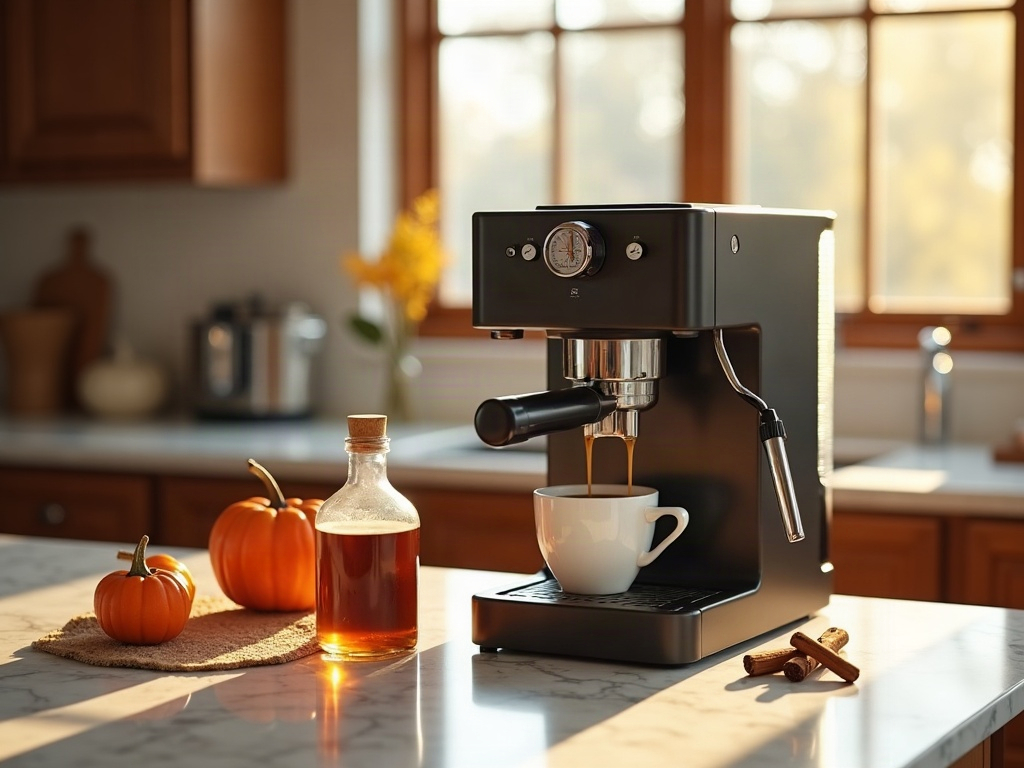
It is that time of year again. Starbucks just dropped the pumpkin spice latte back onto the menu, fall drink tutorials are taking over every social media feed, and somewhere between the espresso machine you pulled out of the cabinet and the cinnamon you shook into your hand, you decided this is the year you actually nail it at home. The machine is out. The beans are fresh. The pumpkin syrup is ready. Fall drink season is officially on.
The home barista movement has exploded over the last few years, and Treasure Valley households have been right in the middle of it. With a Starbucks latte now running $7 or more, the math on owning an espresso machine makes sense fast. Add the rise of affordable home equipment, espresso subscription boxes, and a thousand YouTube tutorials walking you through every recipe from brown sugar oat milk shaken espresso to spiced apple chai, and it is no surprise that more Boise and Meridian kitchens have a dedicated coffee setup than ever before.
Here is the problem. You have followed the tutorial, step by step. You bought the same beans, the same syrups, dialed in your grind. And yet the drink comes out a little flat. A little bitter. Missing that warmth you get at the coffee shop. Most people blame their technique, or their beans, or the machine. Almost nobody thinks about the water. And in Boise, that is the one variable that actually explains everything.
Why Fall Is the Home Barista's Best Season
There is something about fall drinks that just hits different when you make them yourself. The PSL is the obvious one, but the seasonal lineup runs deep: brown sugar cinnamon lattes, apple brown butter cortados, dirty chai with oat milk, spiced cold brew. These are not drinks that need a barista; they need someone willing to pay attention to the craft. And more people in Treasure Valley are doing exactly that.
Consumer data backs this up. Sales of home espresso machines have grown every year since 2020, with entry-level machines like the Breville Bambino now showing up in kitchens that would never have considered a home setup five years ago. The cost savings are real: a $600 machine pays for itself in fewer than 200 drinks. Boise has a genuine coffee culture, from North End specialty roasters to the Meridian drive-throughs that line up 20 cars deep on a Tuesday. Making great coffee at home is a point of pride here, which is why it is worth getting the one invisible variable right.
The Ingredient Most Tutorials Don't Mention
Here is the variable nobody in the tutorial mentions: water. Espresso is 98 to 99 percent water, so it is not just a delivery mechanism, it is a core ingredient. It determines how flavor compounds dissolve, how bitter acids release during extraction, and whether the aromatic volatiles in your spices survive the heat long enough to land on your palate. The Specialty Coffee Association's ideal brewing water range is 50 to 175 mg/L hardness, with a TDS target of 75 to 250 mg/L, representing the mineral profile where espresso extracts evenly and pulls sweetness without over-extracting bitter compounds.
Boise and Meridian tap water runs 10 to 17 GPG, which converts to roughly 170 to 290 mg/L hardness. That puts it at the top end or above the SCA's ideal range, depending on your neighborhood and the season. What that means in your cup: extraction runs uneven, bitter mineral notes compete with the sweetness in your shot, and the delicate flavor compounds in your fall syrups get flattened before they reach you.
This is not a technique problem. This is a water problem. And it is the single most common reason home baristas in Boise get a good machine, good beans, and a mediocre drink. For more on how Boise water specifically affects coffee brewing, see our earlier piece on Boise coffee water quality.
What Hard Water Does to Your Espresso Machine
Taste aside, there is a more expensive problem happening inside your machine every time you run Boise tap water through it. Calcium and magnesium deposits, the minerals that make water hard, do not stay dissolved when water heats up. They precipitate out and coat the interior surfaces of your boiler, heating element, and steam wand. This is scale, and it is the number one cause of home espresso machine failure.
Think about what that looks like inside a machine rated for 5 to 7 years of daily use. With Boise's hard water, we've seen machines come in for service after just 2 to 3 years with significant scale accumulation. The boiler takes longer to reach temperature. Steam pressure drops. The steam wand starts producing wet, inconsistent steam that cannot texture milk properly. Eventually, the heating element fails entirely.
The math is uncomfortable. People invest real money in a $600 machine and premium beans, then run Boise tap water through it every day, cutting its lifespan in half. Descaling tablets help short-term, but the scale keeps coming back as long as the water source stays the same.
Why Your Fall Spices Taste Muted at Home
This one surprises people. The spices that define fall drinks, cinnamon, nutmeg, cloves, cardamom, get their aroma and flavor from volatile aromatic compounds. These compounds are fragile. Heat releases them, which is why your kitchen smells like fall when you warm up a pumpkin syrup. But high mineral content in hard water competes with those compounds, suppressing their expression before they make it into your drink.
The practical result: your homemade pumpkin spice latte tastes flat compared to the coffee shop version. Your chai feels one-dimensional. The cinnamon does not pop. Most people assume they need more syrup, or a different spice blend. What they actually need is water that is not fighting their ingredients.
Commercial coffee shops that produce consistent, flavorful fall drinks almost universally run their water through filtration. This is not a coincidence or a branding detail. It is a quality control decision. Softer water lets spice volatiles express fully, which is why the professional version of the same recipe tastes richer. For a deeper look at how water hardness affects cooking and flavor more broadly, see our piece on water quality for coffee and cooking in Boise.
The Boise Home Barista Upgrade That Actually Moves the Needle
If you want to fix the taste and protect your machine, you have two main options.
A whole-home water softener is the long game. It treats every water source in your house, which means your espresso machine, your ice maker, your kettle for pour-over, and your stovetop when you are heating milk for a latte. You are not just improving your fall drinks, you are extending the life of every water-using appliance in the house. We've seen Treasure Valley households add years to dishwashers, water heaters, and yes, espresso machines, with a single softener installation.
For the more dedicated home barista, an under-sink reverse osmosis system at the kitchen sink gives you dedicated filtered water at the tap. RO removes minerals very aggressively, so serious coffee people sometimes blend RO water with a small amount of mineral-added water to hit that SCA sweet spot. But even straight RO water is dramatically better for espresso and spice-forward drinks than Boise tap.
Before upgrading anything, get a free water test. Boise and Meridian water varies by neighborhood and season. Knowing your specific GPG level tells you exactly what treatment approach makes sense.
Get Your Free Boise Water Test Before Fall Drink Season Is in Full Swing
Find out exactly what is in your water, your GPG level, your mineral profile, and what it is doing to your espresso machine and your drinks. We test, we explain, no pressure.
FAQ: Hard Water and Home Baristas in Boise
Ready to find out exactly what is in your Boise water? Our free water test takes about 30 minutes and gives you real numbers, not a sales pitch.
Call (208) 968-2771 for a Free Water Test