Published November 4, 2026 • 4 min read
A Reddit thread about a brand new Bosch 800 series dishwasher got picked up by The Cool Down on November 4. The owner reported etched glasses and Pyrex, and then wrote, "Even my plates are losing the enamel." Their settings were a normal cycle with rinse aid on 2, and because the house has a water softener, they had already cut the powder to the lowest line in the dispenser.
Commenters had a short list of fixes: skip the hottest cycle for glasses, use less detergent than the dispenser allows, clean the filter, and stop pre-rinsing everything. It is one thread, not a recall, but it points at a problem many Treasure Valley kitchens have. Cloudy glasses are not always one problem.
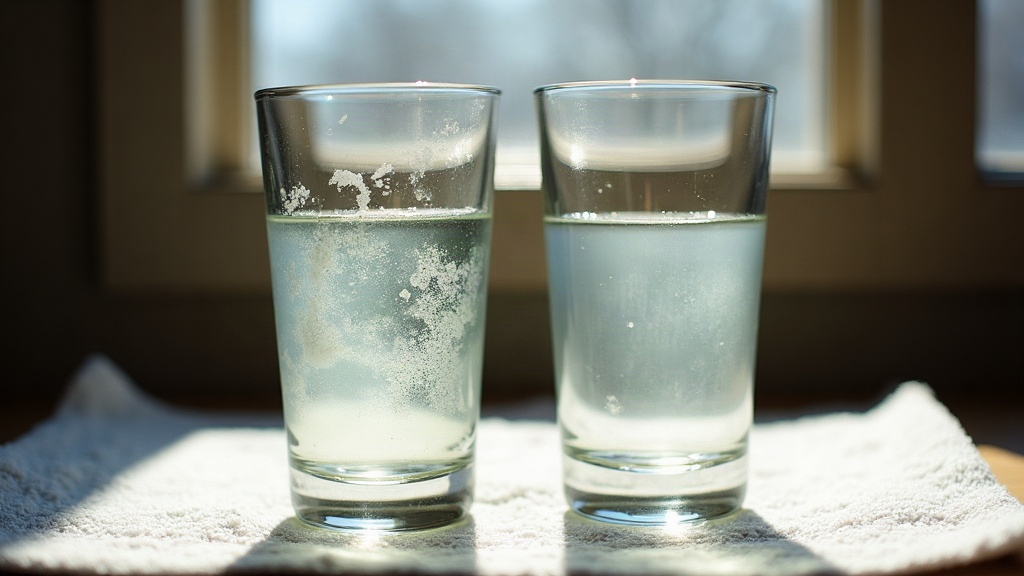
Two Kinds of Cloudy: Film and Etching
Hard water film is mineral. Calcium and magnesium dry on the glass and leave a white haze or spots. It sits on top of the surface, and it comes off.
Etching is damage. The glass surface itself is slowly eaten away, which leaves a permanent frosted look, sometimes with a rainbow tint in the light. No cleaner reverses it. The two look alike from across the room, so people treat the wrong one for months.
The 60-Second Vinegar Test
Soak a paper towel in white vinegar, wrap it around a cloudy glass, and wait a minute. Rinse and dry it.
- Haze gone: mineral film. Your water is the likely cause.
- Haze still there: etching. The glass is damaged, and the cause is how it was washed.
Test one glass before you change anything. It takes a minute and it tells you which of the next two sections you need.
What Causes Etching
The usual contributors are a high detergent dose, very hot water, a long hot cycle, and water with very little mineral content. Soft water has nothing for the detergent to react with, so extra detergent has more effect on the glass. That is why the Bosch owner's softener did not save the glasses; softened water with a full dose of powder can be harder on glass than hard water with a measured dose.
Bosch's own quick-start guide says pre-rinsing is not necessary and that incoming water around 120 to 125 degrees is enough for the detergent to work. The hottest cycle in many manuals is meant for pans, not glasses. Check your own manual, since cycles and settings differ by model.
What Causes Film in the Treasure Valley
Boise water commonly runs 10 to 15 grains per gallon, and parts of Meridian reach 17. That is hard. A dishwasher with no softened supply will leave mineral spots no matter how good the detergent is, and over time scale builds up on the heating element and spray arms as well. We wrote about those repair costs in our dishwasher hard water damage guide.
The Fix for Each Kind
If you have film, run a vinegar rinse through an empty machine, clean the filter, and consider softening the water at the source. If you have a softener and still see damage, dial the detergent down, use a lower-temperature or eco cycle for glassware, and keep rinse aid modest. If you have no idea what your hardness is, find out first. Our cost calculator guide explains how the number drives everything else.
The honest takeaway is that a softener fixes film, not etching, and a softener plus too much detergent can cause the second one. Both problems are solved by knowing your numbers and dosing to them. A free test gives you the hardness reading, and we will tell you plainly if your glasses need a softener or just a smaller scoop.
Etched Glasses and Dishwasher FAQ
Find Out What Your Water Is Doing
Get a free water test and see your exact hardness in grains per gallon. No pressure, no pitch, just the number.