Published October 26, 2026 • 4 min read
The kettle comes out of the cabinet around the first frost and does not leave the counter until April. Tea, cocoa, instant oatmeal, pour-over coffee, a mug of broth at 3 PM. For five months it runs several times a day.
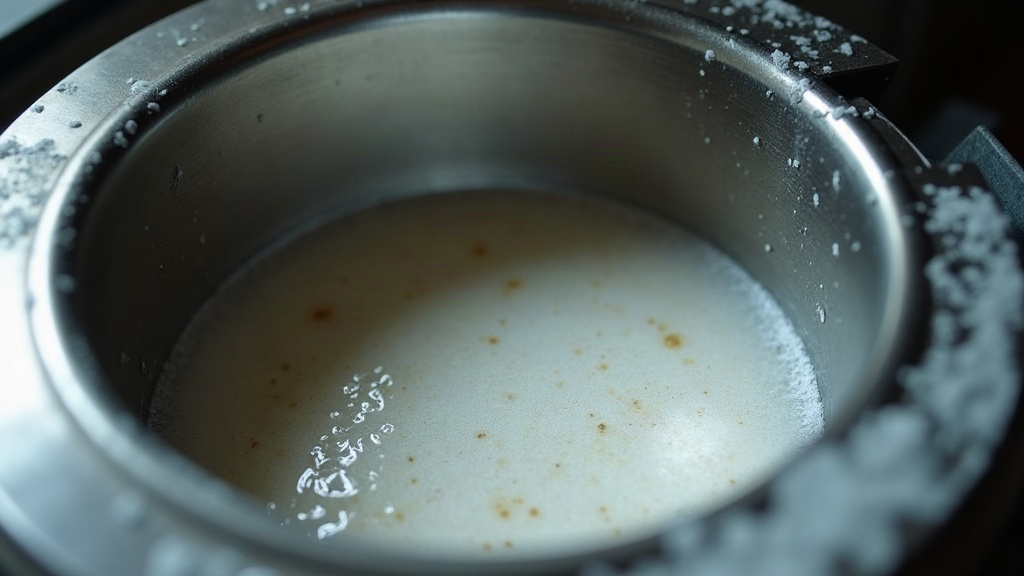
Then one morning you look inside and see a rough white crust along the bottom, maybe a few flakes floating in your cup. Most people assume the kettle is going bad. It is not. It is doing exactly what hot hard water does.
What That White Crust Actually Is
When water heats, dissolved calcium and magnesium come out of solution and bond to the nearest surface. In a kettle, that surface is the heating element and the floor of the pot. The crust is limescale, and it is the same stuff that builds up in coffee makers, showerheads, and water heaters.
A kettle is a harsh test for water because it boils over and over, then sits with a little water left behind. Each cycle leaves a fresh layer. Scale is not toxic, but it insulates the element, so the kettle works harder, takes longer to boil, and can shorten its life. Some smart kettles with temperature sensors can also read incorrectly when scale coats the base.
How to Descale Your Kettle Tonight
You do not need a specialty product. Manufacturer guidance, including KitchenAid's, generally points to a commercial descaler or plain white vinegar. The vinegar method works like this:
- Fill the kettle halfway with equal parts white vinegar and water.
- Bring it to a boil, then turn it off and let it sit for 20 to 30 minutes.
- Pour it out and scrub any stubborn spots with a soft brush.
- Boil a full kettle of plain water twice and discard it to clear the vinegar taste.
Check your model's manual first, since some finishes and sensors have their own cleaning instructions. Citric acid works too, and some people prefer it because the smell fades faster.
Why It Comes Back Faster in the Treasure Valley
Here is the part that surprises people. You can descale perfectly and still find the crust again in two or three weeks. That is a water problem, not a kettle problem.
Boise water typically runs 10 to 15 grains per gallon of hardness, and parts of Meridian reach 17. That is hard by any standard. The more minerals in each pot, the more scale gets left behind every time it boils. Kitchen guidance often says the right cleaning interval depends on how hard your water is, which for most of the valley means monthly, not twice a year.
We saw the same pattern with cloudy glasses and with stiff wool sweaters. The kettle is just the place where heat makes the minerals impossible to miss.
Does It Change the Taste of Your Tea?
Often, yes. Heavily mineralized water can make tea taste flat or slightly chalky, and a floating film on the surface is common with hard water and black tea. Scale flakes in the cup are not a health hazard, but nobody wants them there. Delicate teas such as green and white show the difference most, because there is less flavor to hide behind.
If you have ever wondered why the same tea tastes better at a friend's house or at a cafe, water is usually the first place to look.
A simple comparison makes it obvious. Brew the same tea two ways, once with water from your kettle and once with filtered or bottled water, and taste them side by side. If the second cup is cleaner and brighter, the minerals in your tap are part of the story. It costs you nothing but a few minutes, and it tells you more than any review of kettles or teas will.
One more habit helps between cleanings: empty the kettle after use instead of leaving water to sit. Standing water evaporates and concentrates minerals, so the crust forms faster on the days the kettle sits unused.
The Fix That Protects Everything That Heats Water
Descaling is a chore you repeat. Softening the water removes the calcium and magnesium before it reaches the kettle, the coffee maker, the dishwasher, and the water heater, so scale stops forming at the source. Your kettle stays clean far longer, and so does everything else in the kitchen.
Not sure what is coming out of your tap? A free water test takes about ten minutes and gives you your exact grains per gallon.
Electric Kettle and Hard Water FAQ
Find Out What Is Building Up in Your Kettle
Get a free water test and see your exact hardness in grains per gallon. No pressure, no sales pitch, just your numbers.