Published November 2, 2026 • 4 min read
The furnace is back on, the first cold mornings have arrived, and your knuckles already feel like sandpaper. You are doing what every skin guide says: thick hand cream, gloves outside, shorter hot showers. And by Wednesday your hands are tight and split again.
Dermatologists agree on the usual causes: cold air, dry indoor heat, and washing hands more often during cold and flu season. Those are real. But there is one variable almost nobody checks, and it comes out of your faucet every time you wash.
Why Winter Wrecks Your Hands First
The skin on your hands has fewer oil glands than most of your body, so it dries out first when humidity drops. Idaho winters make it worse. Boise air is already dry, and a forced-air furnace pulls even more moisture out of it. Every hand wash then strips a little more of the protective oil layer.
The standard advice holds up: apply cream right after washing, use a fragrance-free product with ceramides or glycerin, and wear gloves for dishes and cold outings. Do all of that. Then look at what you are washing with.
The Soap Film Nobody Talks About
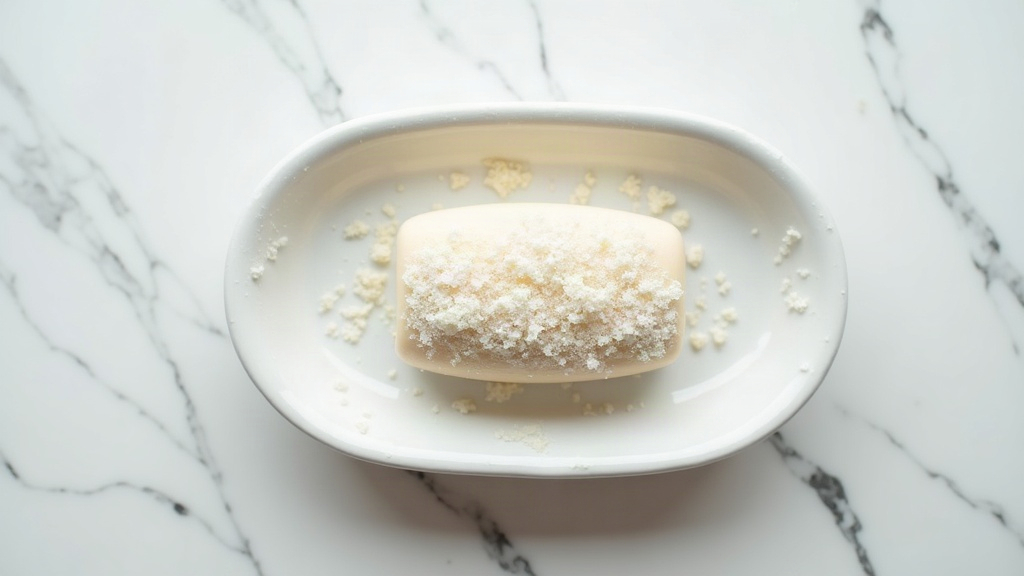
Here is the bridge. Hard water carries dissolved calcium and magnesium. When soap meets those minerals, part of it turns into a sticky, insoluble film instead of rinsing away cleanly. That is the same scum that dulls your soap dish and clouds your shower door. On skin, it can leave a residue behind, and many people with hard water report that their hands feel tight or squeaky after washing.
Research on hard water and skin is still developing, and it does not prove hard water causes dry hands on its own. Studies have linked hard water exposure to a weakened skin barrier, especially in people already prone to eczema. So if your hands stay cracked despite a good routine, the water is a reasonable suspect.
A Simple Two Week Test
- Look at your bar soap or soap dish. A dull, chalky coating is the mineral reaction in plain sight.
- Switch to a gentle liquid cleanser designed for hard water, and skip bar soap for two weeks.
- Pat hands dry, do not rub, and apply cream within a minute while skin is still slightly damp.
- Note whether your hands feel less tight by the end of the day.
If nothing changes, see a doctor. Persistent cracking, redness, or pain can be eczema or a contact allergy that needs real treatment.
What Boise Water Brings to the Sink
Treasure Valley water is hard. Boise commonly runs 10 to 15 grains per gallon, and parts of Meridian reach 17. That is enough to leave visible spots on glassware and film on a shower door. If you can see it there, your hands meet the same minerals every time you wash.
One more habit worth keeping: lukewarm water instead of hot. Hot water strips skin oils faster, and it pulls more minerals out of solution onto surfaces. Pair that with a pump-bottle cleanser by every sink, and the whole household gets a gentler wash through the cold months, kids included.
Idaho also just finished a historically dry water year with record-low snowpack, so local water chemistry is worth keeping an eye on this winter.
What a Softener Changes
A water softener removes most of the calcium and magnesium, so soap rinses clean and leaves far less film. Many homeowners say their hands and skin feel softer within a few weeks. To be straight about it, a softener is not a cure for eczema or a replacement for hand cream, and you will still need both in January. What it does is remove one thing working against you.
Curious what your water does? A free test shows your exact hardness in about ten minutes.
Dry Hands and Hard Water FAQ
Find Out What Is on Your Hands
Get a free water test and see your exact hardness in grains per gallon. No pressure, no sales pitch, just your numbers.