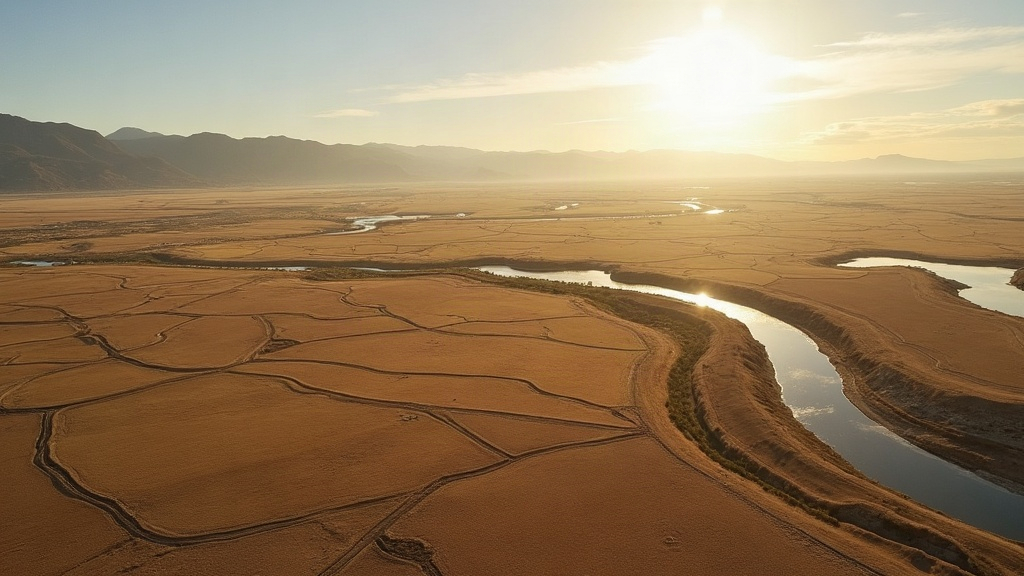
If you have been paying attention to what is happening in Idaho this summer, you already know the water situation is serious. Canyon County farmers are abandoning fields. The Snake River is running at a fraction of its normal volume. State officials declared a drought emergency back in April citing snowpack levels not seen since 1896. And the summer heat has done nothing to help.
But drought is not just a farming problem. It reaches into every Treasure Valley home, and it affects your tap water in ways most people do not think about. This guide covers what the 2026 drought means for your household, how to reduce your water footprint with practical sustainability moves, and why water quality becomes a bigger issue when drought conditions stretch on.
Why This Idaho Drought Hits Different
The 2026 drought is not a typical dry summer. According to Boise State Public Radio, the 2025/2026 winter was the second warmest since 1896, and Idaho recorded historic low snowpack. Snowmelt happened a full month early, in March instead of April, draining the reservoirs before irrigation season even started.
The Surface Water Coalition warned earlier this year of a 181,600 acre-foot water shortfall for the irrigation season. Farmers in Canyon County, which grows most of the Treasure Valley's field crops, have been forced to choose which fields to water and which to let go. Some have abandoned crops entirely.
For homeowners in Boise, Meridian, Eagle, and Nampa, the immediate concern is different. Municipal water systems are not rationed the same way agricultural water is. But when surface water levels drop, utilities lean harder on groundwater wells to meet demand. And groundwater in the Treasure Valley is naturally harder and more mineral-dense than surface water. That distinction matters for anyone at home.
Five Ways to Reduce Your Household Water Footprint
Sustainability content about water conservation has been trending hard in 2026. DIY greywater systems, rain barrel setups, and household water audits are all over home improvement feeds right now. Here is what actually makes a meaningful difference for Treasure Valley households.
1. Install a Rain Barrel
Idaho law permits residential rainwater harvesting. You can collect up to 2,500 gallons in up to three containers without needing a water right. A single 50-gallon barrel attached to a downspout can collect hundreds of gallons per rain event. Use that water for garden irrigation and you take real pressure off your municipal connection during peak summer months.
2. Fix Invisible Leaks
A slow-dripping faucet wastes up to 3,000 gallons per year. A running toilet can waste 200 gallons in a single day. These leaks are often invisible and easy to ignore, but during a drought year they add up fast. Check toilet flappers and faucet washers before anything else.
3. Switch to Efficient Fixtures
Low-flow showerheads (2.0 GPM or less) and aerators on kitchen faucets can cut water use by 20 to 30 percent without any noticeable change in pressure or function. These upgrades typically cost under $50 and pay back in lower water bills within months.
4. Run Full Loads Only
Dishwashers and washing machines account for a significant share of indoor water use. Running full loads instead of partial ones can save 10 to 20 gallons per cycle. Modern dishwashers also use less water than hand washing when run full.
5. Time Your Outdoor Watering
Watering early in the morning (before 9 AM) or in the evening reduces evaporation by up to 30 percent compared to midday watering. Smart irrigation controllers that respond to weather and soil moisture data can reduce outdoor water use by 20 to 50 percent, according to the EPA.
The Water Quality Problem Nobody Talks About
Here is where drought intersects with water quality in a way most sustainability guides skip over. When municipal systems rely more heavily on groundwater wells, the water coming out of your tap picks up more minerals from aquifer rock formations. In the Treasure Valley, that already means dealing with 10 to 17 GPG (grains per gallon) of hardness, one of the highest ranges in the region.
Harder water does not just affect taste. It builds scale inside your pipes and appliances, which reduces efficiency and shortens their lifespan. It leaves white residue on fixtures, spots on dishes, and a filmy feeling on skin and hair after showering. During a drought year when utilities are drawing more heavily from wells, those levels can creep even higher.
Boise's primary water treatment uses chloramines (a combination of chlorine and ammonia) rather than plain chlorine. Standard pitcher filters like Brita do not remove chloramines effectively. If the water coming out of your tap has started smelling or tasting different this summer, that shift toward harder groundwater sources is likely a contributing factor.
How Hard Water Actually Wastes More Water
There is a direct connection between hard water and water waste that most people do not make. Hard water requires more soap and shampoo to lather effectively. It rinses more slowly. It forces hot water heaters to work harder because scale insulates the heating element, so the unit runs longer to reach temperature. Scale buildup in pipes narrows the flow path over time, which means appliances use more water to achieve the same result.
In a drought year when you are actively trying to reduce your water footprint, untreated hard water works against you at every step. A water softener does not just improve comfort; it removes the friction that hard water creates throughout your household system. You use less soap, rinse faster, and your appliances run at the efficiency they were designed for.
We wrote about a related issue earlier this year in our piece on water quality and brain fog in Boise, which covers how mineral load and chloramine levels interact with daily health and hydration. Worth a read if you have noticed changes in how your water tastes or feels this summer.
Taking Control of Your Water at Home
The drought emergency in Idaho is outside your control. What you drink and what comes out of your shower head is not. A free water test from Water Softener Boise gives you a clear read on your current hardness, pH, chloramine levels, and mineral content. From there, we can walk you through the options that make sense for your home and your budget, no pressure, no upsell.
A whole-house water softener system runs between $2,500 and $4,500 installed for most Treasure Valley homes. A reverse osmosis system for drinking water runs $300 to $600 installed. Neither requires ongoing maintenance beyond periodic salt refills or filter changes. Both pay for themselves through reduced soap use, longer appliance life, and healthier plumbing.
You can also pair either system with the conservation steps above. Soft water rinses more efficiently, which means shorter shower times and less water per load of laundry. The sustainability gains compound once the water quality issue is addressed.
Get a Free Water Test
Find out exactly what is in your Treasure Valley tap water. No cost, no obligation. We come to you.