Published October 27, 2026 • 4 min read
You probably blame the beans. The roast was too light, the bag was too old, the grind was off. So you buy a better bag, and the coffee still tastes a little flat and a little bitter.
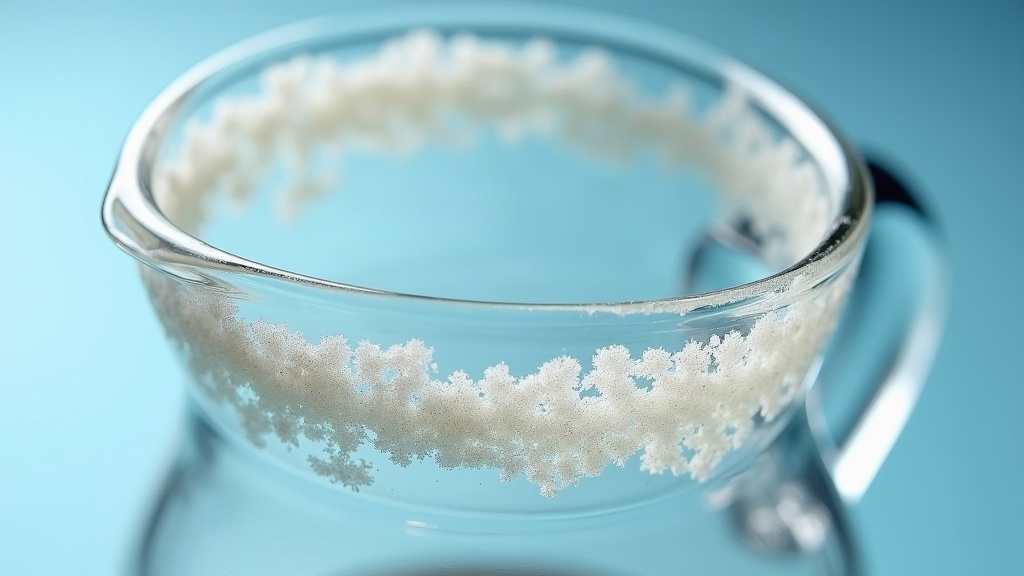
Before you spend another $18 on beans, look at the machine. If the coffee maker has been running daily since summer, there is a good chance the problem is the white crust you cannot see inside it.
Why Scale Ruins Good Coffee
A drip machine heats water to brewing temperature and pushes it through narrow tubes and a heating element. Hard water leaves calcium and magnesium behind in exactly those spots. Over weeks, the scale insulates the heater, narrows the tubes, and slows the flow.
The result is a cooler, slower brew. Coffee extracted below the ideal temperature tastes sour and thin, and a slow trickle can over-extract the grounds and add bitterness. Same beans, worse cup. Manufacturers say as much: Philips guidance says households on hard water need to descale more often, and some models flash a descale warning when the machine has had enough.
Why November Is the Right Time to Check
Thanksgiving is about a month away, and the coffee maker is about to work harder than it has all year. Overnight guests, a full pot after dinner, a second pot while the dishes get done. A machine that is already close to its descale point can sputter, slow down, or stop mid-brew right when the house is full.
Descaling now is a twenty minute job. Doing it with a houseful of people waiting for coffee is not.
How to Descale a Drip Coffee Maker
Check your manual first, because brands differ. Some recommend white vinegar; others warn that vinegar can leave an aftertaste and prefer their own descaler or citric acid. If your manual allows vinegar, the usual method looks like this:
- Fill the reservoir with equal parts white vinegar and water.
- Run half the cycle, pause for 30 minutes, then finish the cycle.
- Run two or three full pots of plain water to rinse out the taste.
- Wash the carafe and basket by hand.
If your machine has a descale button or light, use it and follow the prompts.
Signs Your Coffee Maker Is Due
You do not need a calendar to know. Watch for a brew cycle that takes noticeably longer than it used to, coffee that comes out lukewarm, loud gurgling or steam from the machine, and white flecks in the carafe. A rough white film inside the reservoir is the clearest sign of all. Any one of these means the minerals are winning, and a descale is overdue.
The Boise Part of the Story
Here is what surprises people. You can descale on schedule and see the same crust in a few weeks. Boise water commonly measures 10 to 15 grains per gallon, and parts of Meridian reach 17. That is hard water, and every pot of coffee carries those minerals into the machine.
It is the same reason your electric kettle builds a crust and your glasses come out cloudy. Heat just makes the minerals easy to see. Filtered water slows buildup in a coffee maker, but a pitcher only treats what you pour into it, not the dishwasher, the water heater, or the rest of the house.
Fix the Water, Not Just the Machine
A water softener removes the calcium and magnesium before the water reaches any appliance. The coffee maker, kettle, dishwasher, and water heater all see softer water, so descaling becomes a rare chore instead of a monthly one.
If you want to know what is going into your coffee, a free water test gives you your exact hardness in grains per gallon in about ten minutes.
Coffee Maker and Hard Water FAQ
Find Out What Is Building Up in Your Coffee Maker
Get a free water test and see your exact hardness in grains per gallon. No pressure, no sales pitch, just your numbers.